



11.11.2022
Brand positioning

Before entering the market, it is important for a brand to determine who it is for and how it differs from its competitors - most often this is determined depending on the largest player in the category.
For example, this is the case with Coca-Cola and Pepsi - while Cola presents itself as a family brand that speaks of happiness and love, Pepsi tries to be more youthful, speaks of boldness, sports and activity.
Or another example - McDonald's and Burger King. McDonald's is a kind brand that speaks of family values, while Burger King acts like a rebel, a brave young guy who is not afraid to joke and attract attention.
And this character, which distinguishes a brand from its competitors and determines its target audience, is called "positioning".
Earlier, many years ago, brands tried to build positioning around technical USPs - for example, some car manufacturers said that they have the most comfortable seats, while others boasted about the highest quality headlights.
Somewhere closer to the 1980s, everyone began to think that advertising based on standard USPs no longer works. And then brands realized that their products may be almost the same, but their character, voice, mood and positioning can be different.
And since then, brands have begun to invest not only in their products, but also in their “faces”, in their positioning, making it more and more unique.
That is why today McDonald’s and Burger King sell essentially the same food, but some are more often visited by families with children, and others are visited by young groups of friends.
At Minim, we can help you understand your unique positioning so that you can differentiate yourself in the market and attract “your” audience.
Share

Other articles

04.10.2026
Brand marketing strategy should be developed before packaging design, not after
If a brief intended for collaboration begins with the words “we just need packaging,” then one very important stage has already been overlooked. The first question from a professional design agency should not be about color or style. The first question should be: what business problem is this packaging supposed to solve? Starting work without answering this question is not merely a theoretical mistake; it is a serious flaw that can lead to major financial losses. One of the most famous failures in global branding practice happened precisely because this question was ignored.
29.09.2026
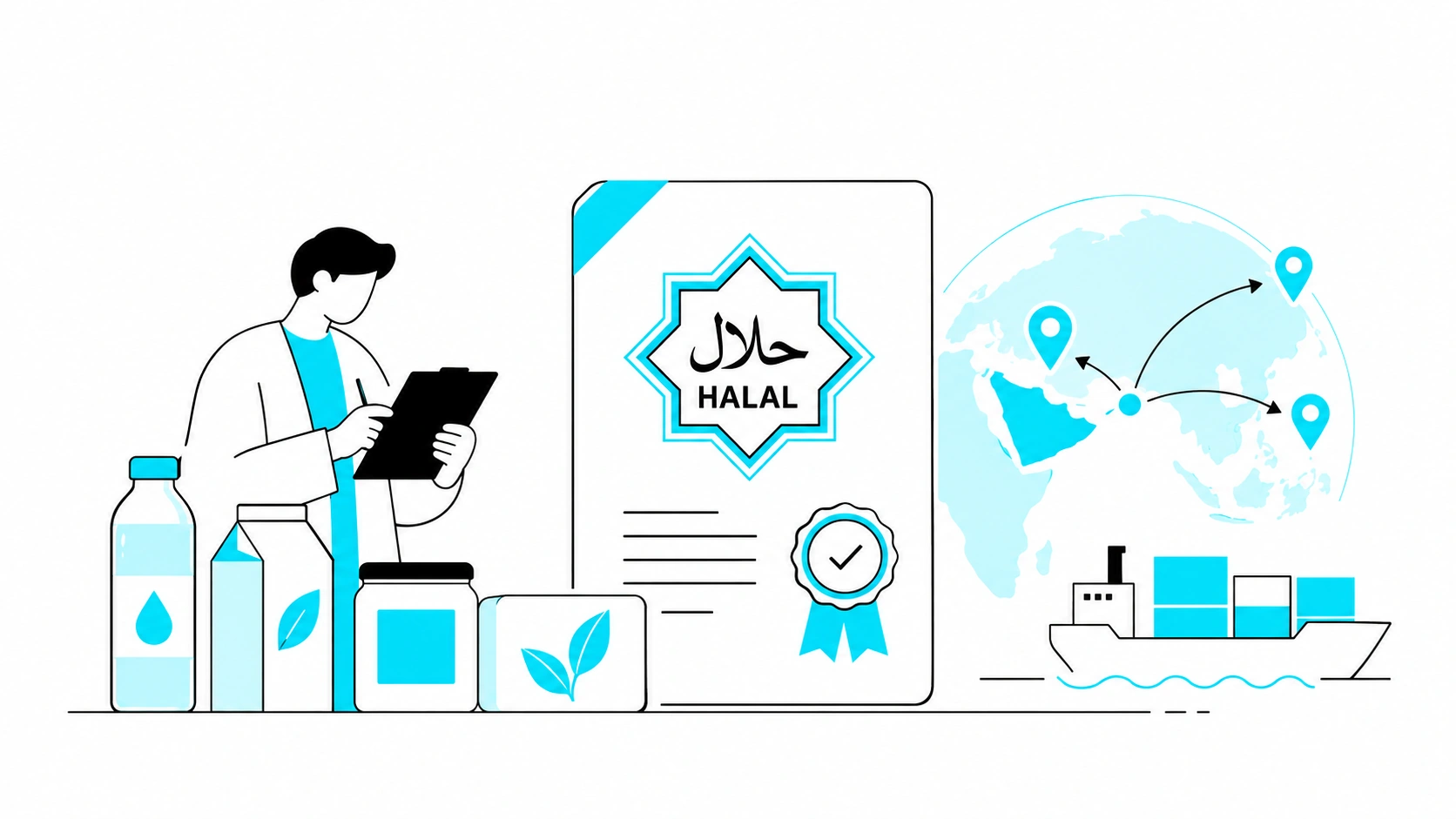
HALAL CERTIFICATE IN UZBEKISTAN: WHY YOUR BUSINESS NEEDS IT, HOW MUCH IT COSTS, AND HOW TO GET IT
In the past, the "Halal" mark was just a neat marketing trick for many. Slap a green crescent on the packaging, and sales would soar. No one really dug deep to see if there was any actual control behind the label. But the rules of the game have fundamentally changed. Starting May 1, 2025, "Halal" labeling in Uzbekistan was taken under strict state control. Now, this mark requires an official certificate based exclusively on SMIIC standards. Although obtaining the certificate is voluntary, if you want to enter major supermarket chains, export, or work with imported raw materials, it has become a core requirement for doing business.
If you produce food, cosmetics, or even ordinary bottled water, and you want your packaging to boost sales rather than collect fines for illegal labeling, you need to understand the new rules. In this article, we—as an agency working directly with brands—will break it all down for you from A to Z: who issues legitimate certificates today, by what criteria your production will be evaluated, how much the process costs, and in which unexpected products the Halal status plays a decisive role.
21.09.2026
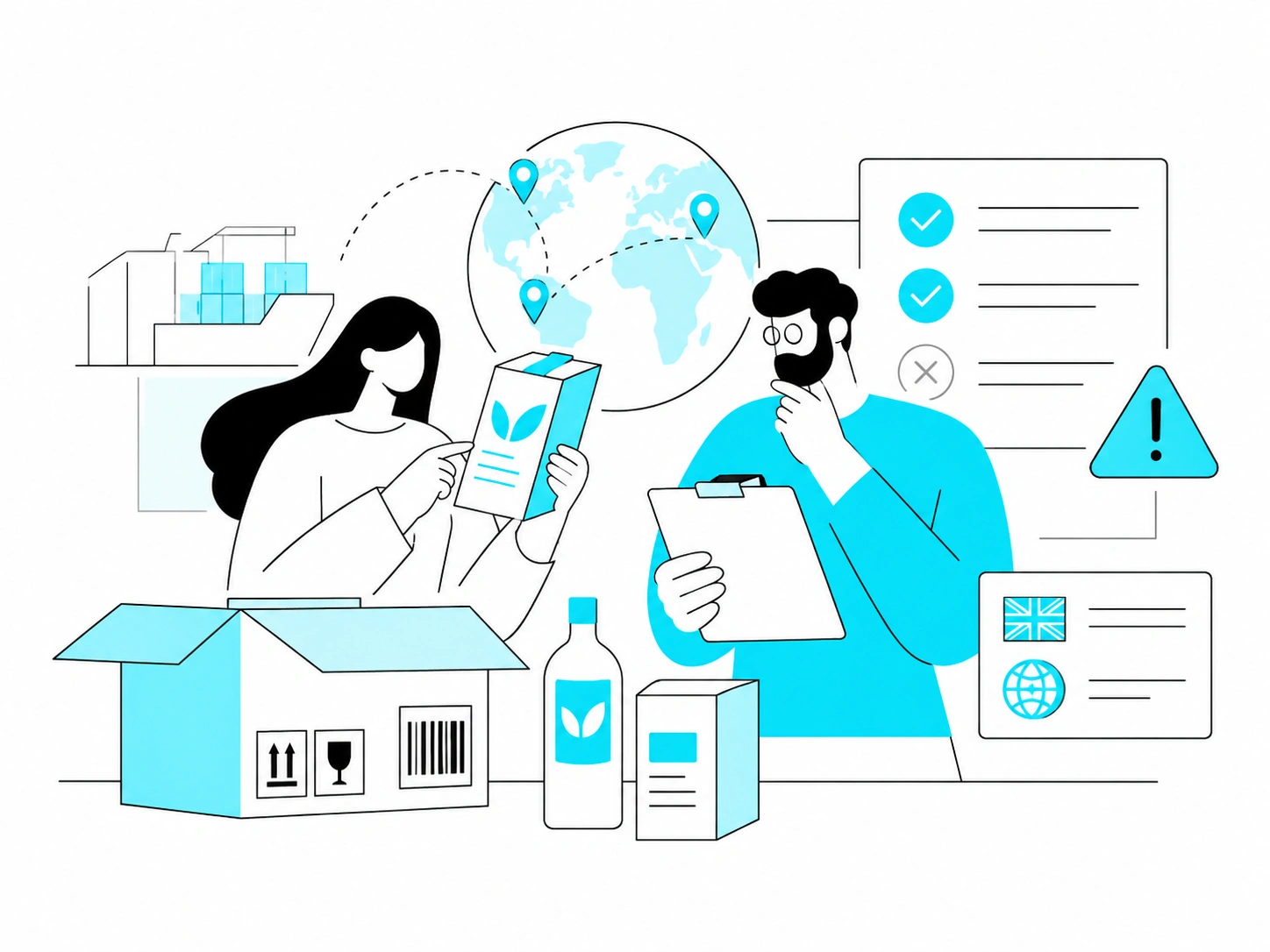
Typical Packaging Mistakes Local Brands Make When Entering International Markets
More and more Uzbek manufacturers are looking beyond the domestic market. In many cases, packaging becomes one of the key factors that determines whether an export launch succeeds or fails. The problem is usually not the quality of the product itself, but the fact that packaging for foreign markets is developed in the same way as packaging for the domestic market. In other words, companies simply take the packaging that already works locally, translate the name into English, and consider the job done.
Below are the most common mistakes and why each of them can cost much more than it may seem at first.