



Blog

04.10.2026
Brand marketing strategy should be developed before packaging design, not after
If a brief intended for collaboration begins with the words “we just need packaging,” then one very important stage has already been overlooked. The first question from a professional design agency should not be about color or style. The first question should be: what business problem is this packaging supposed to solve? Starting work without answering this question is not merely a theoretical mistake; it is a serious flaw that can lead to major financial losses. One of the most famous failures in global branding practice happened precisely because this question was ignored.
29.09.2026
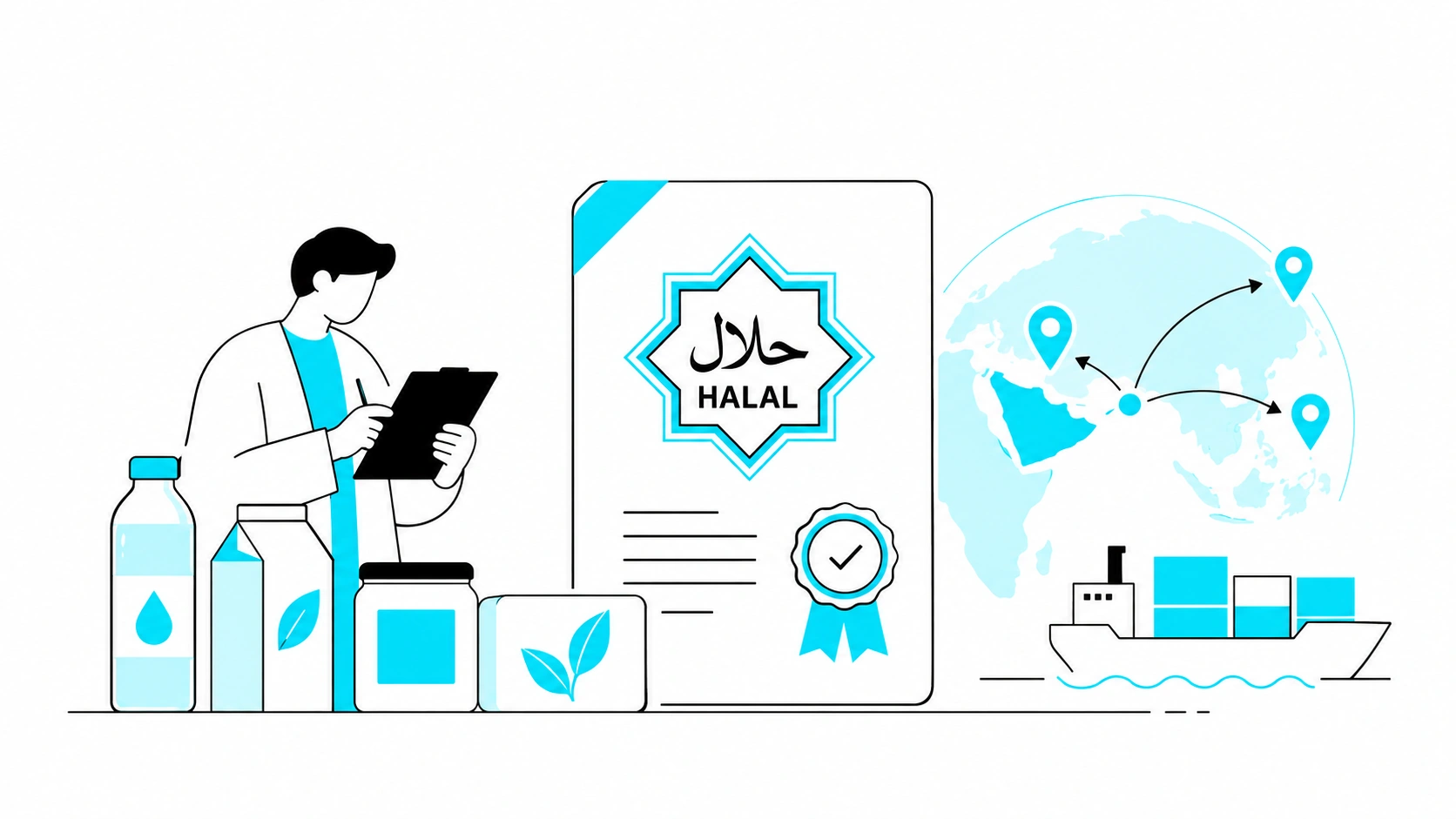
HALAL CERTIFICATE IN UZBEKISTAN: WHY YOUR BUSINESS NEEDS IT, HOW MUCH IT COSTS, AND HOW TO GET IT
In the past, the "Halal" mark was just a neat marketing trick for many. Slap a green crescent on the packaging, and sales would soar. No one really dug deep to see if there was any actual control behind the label. But the rules of the game have fundamentally changed. Starting May 1, 2025, "Halal" labeling in Uzbekistan was taken under strict state control. Now, this mark requires an official certificate based exclusively on SMIIC standards. Although obtaining the certificate is voluntary, if you want to enter major supermarket chains, export, or work with imported raw materials, it has become a core requirement for doing business.
If you produce food, cosmetics, or even ordinary bottled water, and you want your packaging to boost sales rather than collect fines for illegal labeling, you need to understand the new rules. In this article, we—as an agency working directly with brands—will break it all down for you from A to Z: who issues legitimate certificates today, by what criteria your production will be evaluated, how much the process costs, and in which unexpected products the Halal status plays a decisive role.
21.09.2026
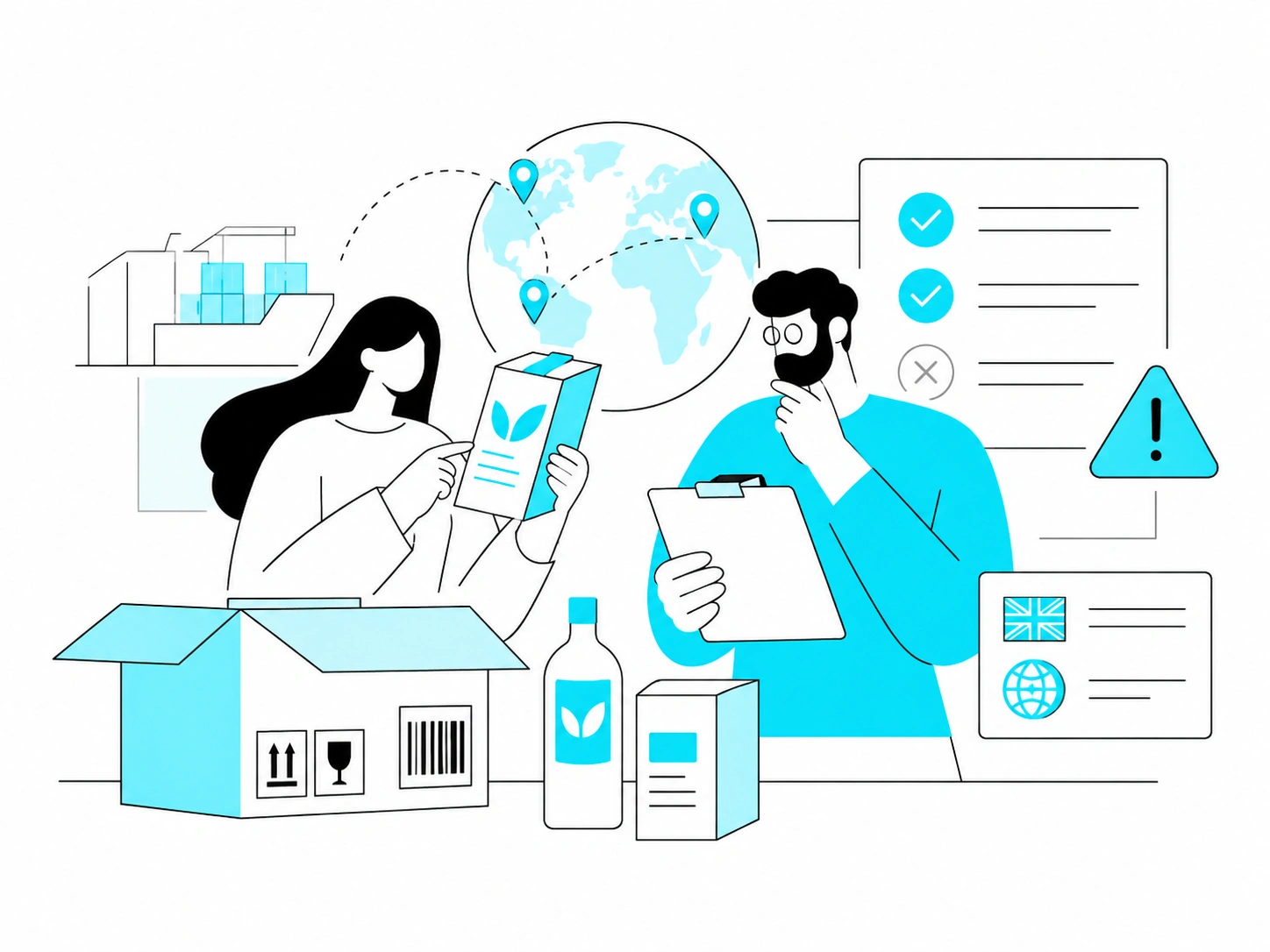
Typical Packaging Mistakes Local Brands Make When Entering International Markets
More and more Uzbek manufacturers are looking beyond the domestic market. In many cases, packaging becomes one of the key factors that determines whether an export launch succeeds or fails. The problem is usually not the quality of the product itself, but the fact that packaging for foreign markets is developed in the same way as packaging for the domestic market. In other words, companies simply take the packaging that already works locally, translate the name into English, and consider the job done.
Below are the most common mistakes and why each of them can cost much more than it may seem at first.
15.09.2026
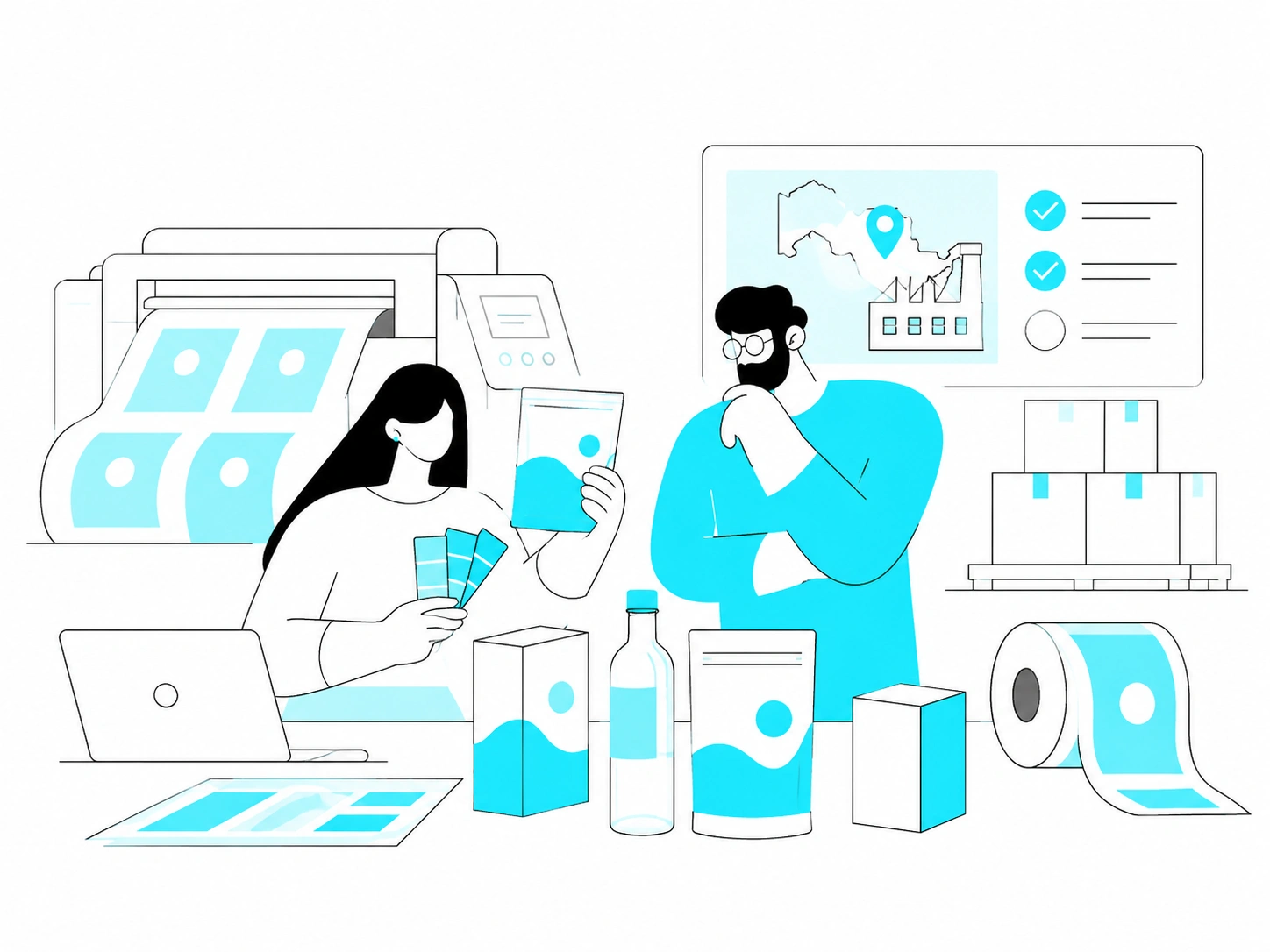
How do printing capabilities in Uzbekistan affect design?
A beautifully designed prototype and the final packaging produced by a printing house are not always the same. A designer can create an unusual bottle, add a velvety label and gold lettering. But the main question should always be: “Can this actually be produced?”
Most importantly, this question must be asked during the design stage, before the packaging is approved. Otherwise, the result may be an expensive redesign or disappointment that “it looked better on the screen.”
Packaging production in Uzbekistan is growing together with the FMCG market. Therefore, understanding the real capabilities of local printing houses is just as important for a designer as having a good sense of color and composition.

01.09.2026
Why Is It Risky to Develop Naming and Packaging Separately?
A common market practice works like this: first, the company founder, marketer, or a specialized naming agency selects a name for the product. The approved name is then passed to a designer, who creates packaging around it. Sometimes the process happens in reverse: the packaging design is approved first, and only afterwards is a name selected to fit it. At first glance, both approaches may seem logical. However, they overlook one important factor. In reality, consumers do not perceive a product name and its packaging separately. They receive both elements simultaneously as one unified signal.
25.08.2026
Psychology of Color and Shape in FMCG Packaging Design: What Really Works and What Is a Myth?
Few topics in packaging design are discussed with as much confidence despite having such a shaky evidence base as color psychology. Infographics explaining what each color supposedly means have been copied from blog to blog for years, while claims such as “color increases brand recognition by 80%” have been repeated so often that they are now widely accepted as fact. Below, we examine which of these claims actually stand up to scientific research and which are simply marketing folklore.

16.08.2026
Local Manufacturers in Central Asia Are Not Ready for the New Packaging Standards — What Should Be Done Now?
When sustainable packaging is discussed in our region, many still see it as a distant-future topic for conferences rather than something that belongs in a current production plan. But the situation has changed. There are now specific deadlines, and one of them comes into force within just a few weeks.

08.08.2026
How to Measure Whether a Packaging Redesign Works: Metrics to Track Before and After Launch
“The new design looks better than the old one” is not a strong enough argument to take a redesign to market. A new package being liked by three or four people in management does not automatically mean that sales will increase.
This is why mistakes in packaging design can be costly for a business. Packaging is not an advertising test that can simply be switched off the next day if the results are disappointing. A redesign affects production, inventory, brand image and logistics.
Research by William Caruso of the Ehrenberg-Bass Institute illustrates how risky packaging redesign can be. He analysed 1,336 redesigns across 744 brands in 25 market segments. The study found that nine out of ten redesigns did not generate a significant increase in sales. Interestingly, the redesigned packs retained only around 47% similarity to their previous versions on average. This suggests that many brands change their packaging more dramatically than necessary.
For this reason, companies need clearly defined “before” and “after” metrics. Without them, redesign budgets can be wasted and sales may even decline.
01.08.2026
How 3 to 5 Seconds on the Shelf Decide a Product’s Fate
A brand can spend years refining its strategy, poured millions into advertising, and building brand awareness. Yet ultimately, whether a product gets bought or left behind is decided in one single spot: right on the store shelf. This is where the final dialogue between brand and consumer takes place—not on TV or social media. And for this moment, the brand has only a matter of seconds.<p>

21.07.2026
Export Packaging Design: How “Made in Uzbekistan” Can Become a Competitive Advantage Rather Than a Limitation
The first instinct of many companies preparing to enter export markets is to hide the product’s country of origin somewhere on the least visible part of the label, fearing that foreign consumers may react negatively to the mention of Uzbekistan.
The concern is understandable, but it is not supported by research. A product’s country of origin is not an automatic disadvantage that needs to be concealed. On the contrary, it is one of the few brand assets that competitors from other countries cannot copy.
A Chinese, Turkish, or European producer cannot legitimately place “Made in Uzbekistan” on its packaging. The real question, therefore, is not whether the country of origin should be shown, but how it should be communicated.