



22.09.2022
Corporate identity - what is it and why is it needed

Brands are very similar to people - they have their own character, voice and, of course, appearance. If a brand does not have this, it becomes gray and faceless, the audience cannot recognize it and the brand's products will simply get lost among dozens or even hundreds of competitors.
An important part of any developed brand is its "face" - corporate identity. Corporate identity helps to recognize the brand without extra effort: by colors, sounds, fonts, logo, graphic elements and other components of the identity.
For example, a white wavy line on a red background - will make you think of Coca-Cola, and a check mark on a T-shirt will evoke associations with Nike.
The more logical and competently your corporate identity is built, the easier it is to remember and recognize you. For example, this helps to save on advertising and PR, because even without this, people will buy you simply because the brand is well known to the consumer.
In addition, a clear and logical corporate style inspires confidence, and therefore encourages a choice in favor of the brand - consumers do not want to think twice, so their brain automatically chooses what is clear and familiar on the shelves. This works, which is why large brands have so many clones that try to copy the corporate style of large players in the market in order to "bite off" a part of their audience.
A corporate style is equally needed by new brands that are just planning to grow and develop, as well as large companies that are looking to scale up and capture new territories.
Share

Other articles

04.10.2026
Brand marketing strategy should be developed before packaging design, not after
If a brief intended for collaboration begins with the words “we just need packaging,” then one very important stage has already been overlooked. The first question from a professional design agency should not be about color or style. The first question should be: what business problem is this packaging supposed to solve? Starting work without answering this question is not merely a theoretical mistake; it is a serious flaw that can lead to major financial losses. One of the most famous failures in global branding practice happened precisely because this question was ignored.
29.09.2026
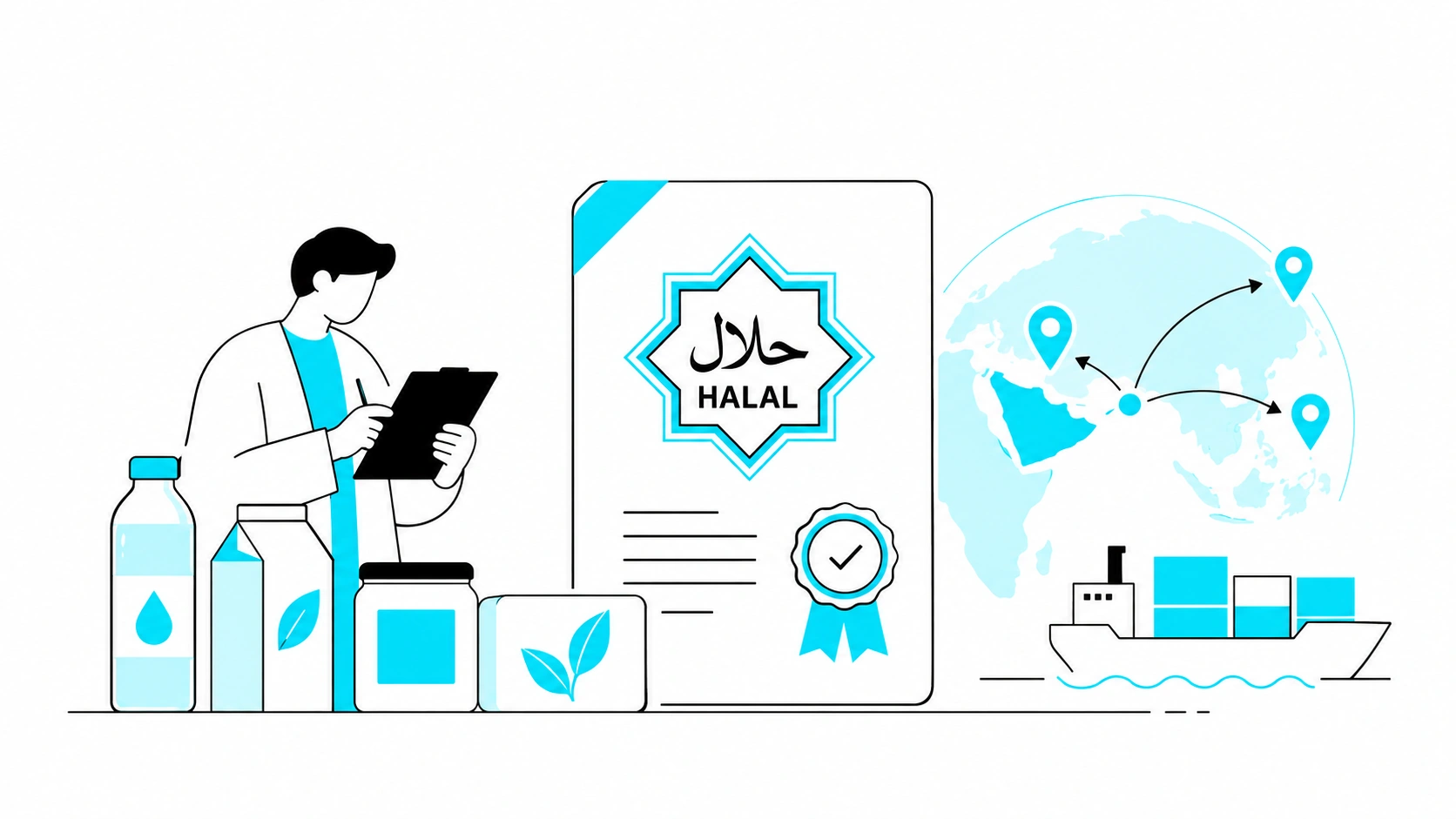
HALAL CERTIFICATE IN UZBEKISTAN: WHY YOUR BUSINESS NEEDS IT, HOW MUCH IT COSTS, AND HOW TO GET IT
In the past, the "Halal" mark was just a neat marketing trick for many. Slap a green crescent on the packaging, and sales would soar. No one really dug deep to see if there was any actual control behind the label. But the rules of the game have fundamentally changed. Starting May 1, 2025, "Halal" labeling in Uzbekistan was taken under strict state control. Now, this mark requires an official certificate based exclusively on SMIIC standards. Although obtaining the certificate is voluntary, if you want to enter major supermarket chains, export, or work with imported raw materials, it has become a core requirement for doing business.
If you produce food, cosmetics, or even ordinary bottled water, and you want your packaging to boost sales rather than collect fines for illegal labeling, you need to understand the new rules. In this article, we—as an agency working directly with brands—will break it all down for you from A to Z: who issues legitimate certificates today, by what criteria your production will be evaluated, how much the process costs, and in which unexpected products the Halal status plays a decisive role.
21.09.2026
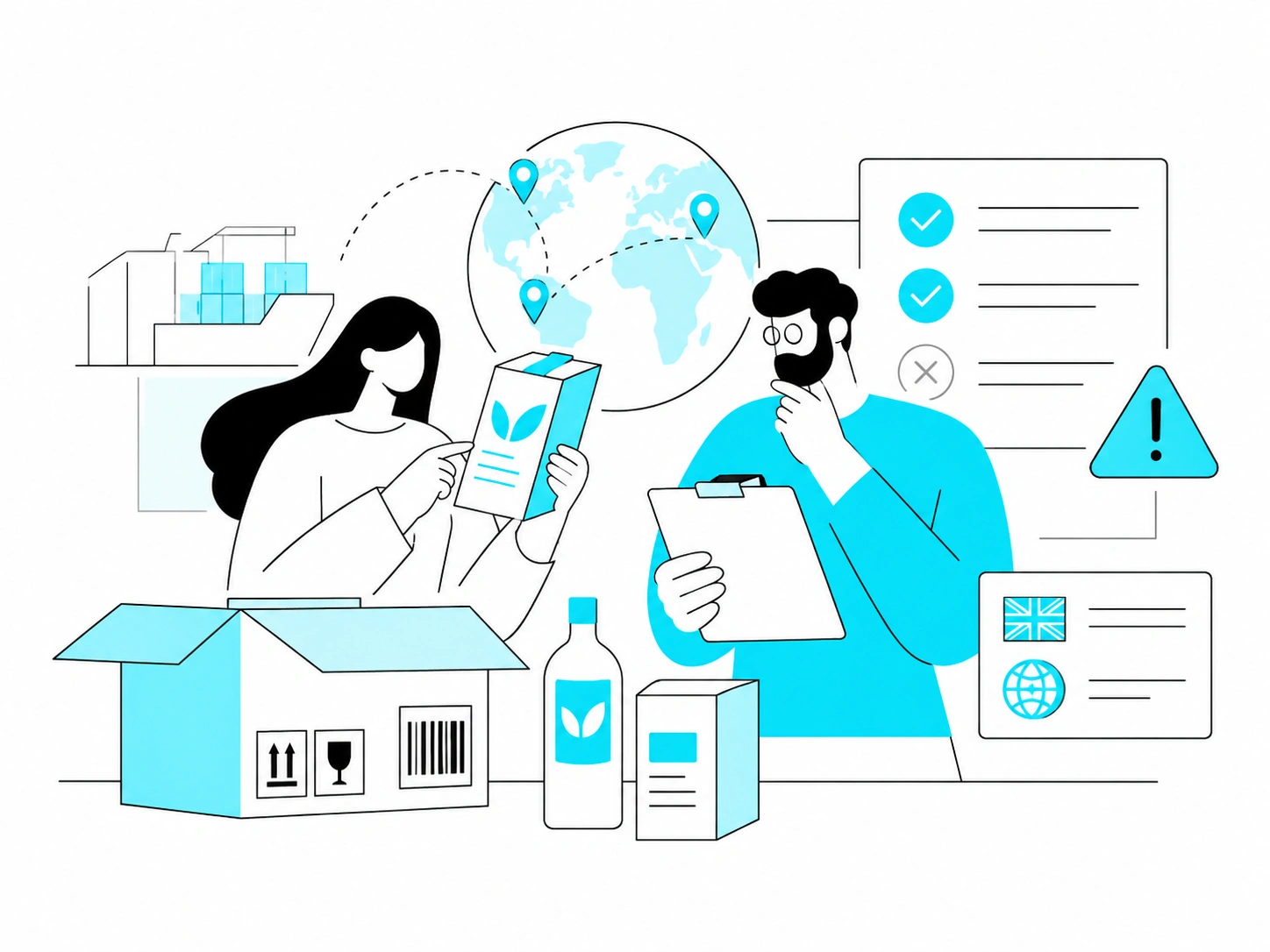
Typical Packaging Mistakes Local Brands Make When Entering International Markets
More and more Uzbek manufacturers are looking beyond the domestic market. In many cases, packaging becomes one of the key factors that determines whether an export launch succeeds or fails. The problem is usually not the quality of the product itself, but the fact that packaging for foreign markets is developed in the same way as packaging for the domestic market. In other words, companies simply take the packaging that already works locally, translate the name into English, and consider the job done.
Below are the most common mistakes and why each of them can cost much more than it may seem at first.