



08.08.2025
How Marketing Design Transforms a Brand into a Beloved Product
Great marketing isn’t just about selling a product; it’s about building connections—emotional, visual, and meaningful. This approach is what sets successful brands apart from competitors, and design plays a leading role here.
At Minim Agency, we work daily to ensure our clients’ packaging and corporate identities inspire trust, build emotional connections, and create a compelling visual ecosystem for their brands. In this article, we explore how marketing design works, what distinguishes it from classical graphic design, and why it's essential for e-commerce, FMCG, and retail brands.
What Is Marketing Design?
Marketing design is a subset of graphic design aimed not just at aesthetics, but at results: sales, engagement, brand recognition, and customer loyalty. It includes visual and textual elements that help consumers understand, feel, and ultimately choose your brand.
Examples include:
- Packaging that communicates product qualities before the consumer even tries it.
- A landing page where the user intuitively knows where to click.
- A banner ad that evokes curiosity instead of irritation.
Case Example:
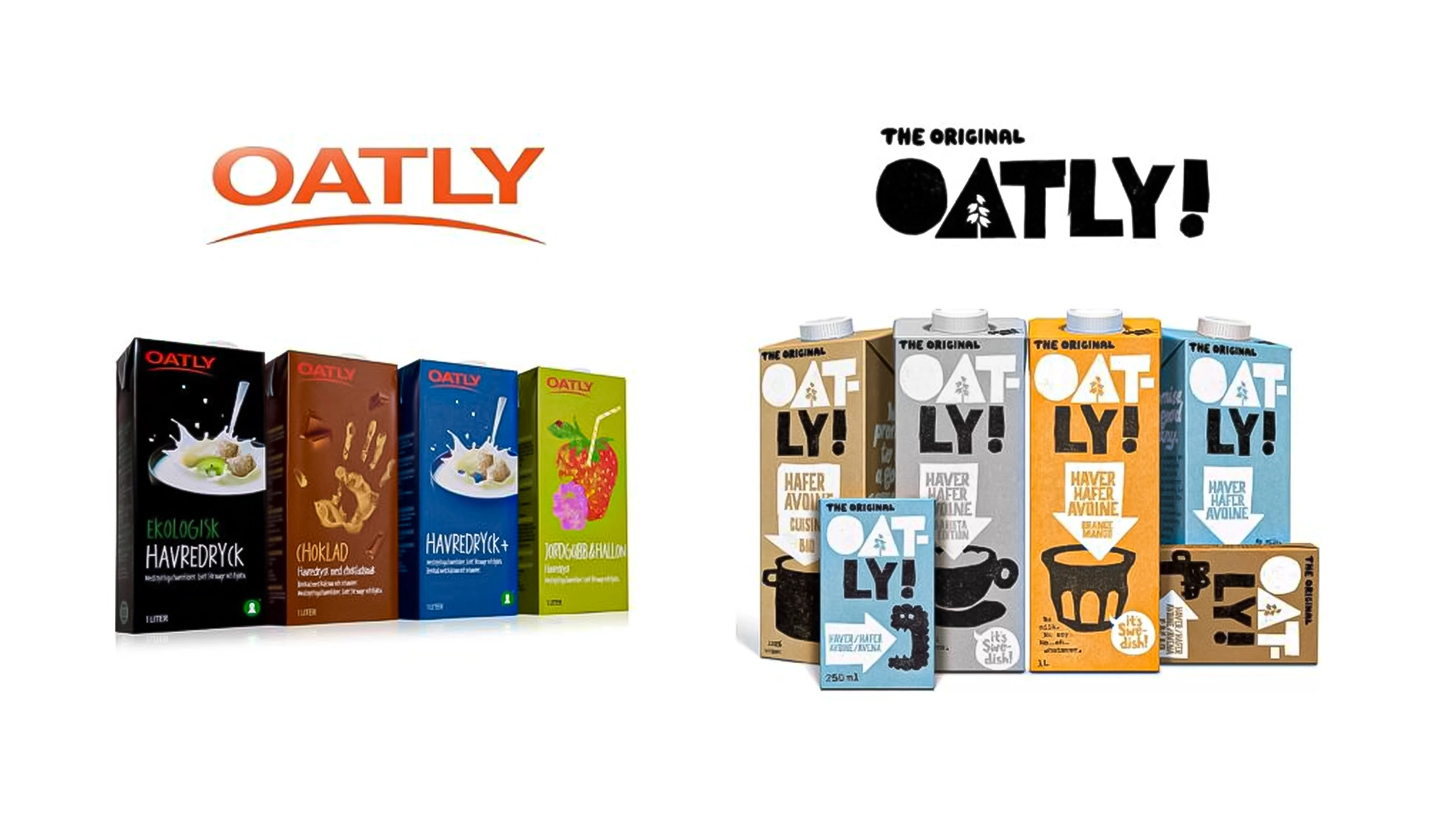
In 2021, the oat milk brand Oatly completely redesigned its packaging, shifting away from purely functional design to bold, humorous typography and bright colors. The result was increased sales and global brand awareness—a testament to the power of marketing design.
Graphic Design vs. Marketing Design
Graphic design covers everything—from vinyl record packaging to hoodie prints. Marketing design, however, specifically applies graphic design skills to enhance and promote a brand.
|
Graphic Design |
Marketing Design |
|
Aesthetics-focused |
Goal-oriented: sales and promotion |
|
No specific KPIs |
Measurable KPIs: clicks, sales, ROI |
|
Abstract forms possible |
Clear messages and call-to-actions |
Example:
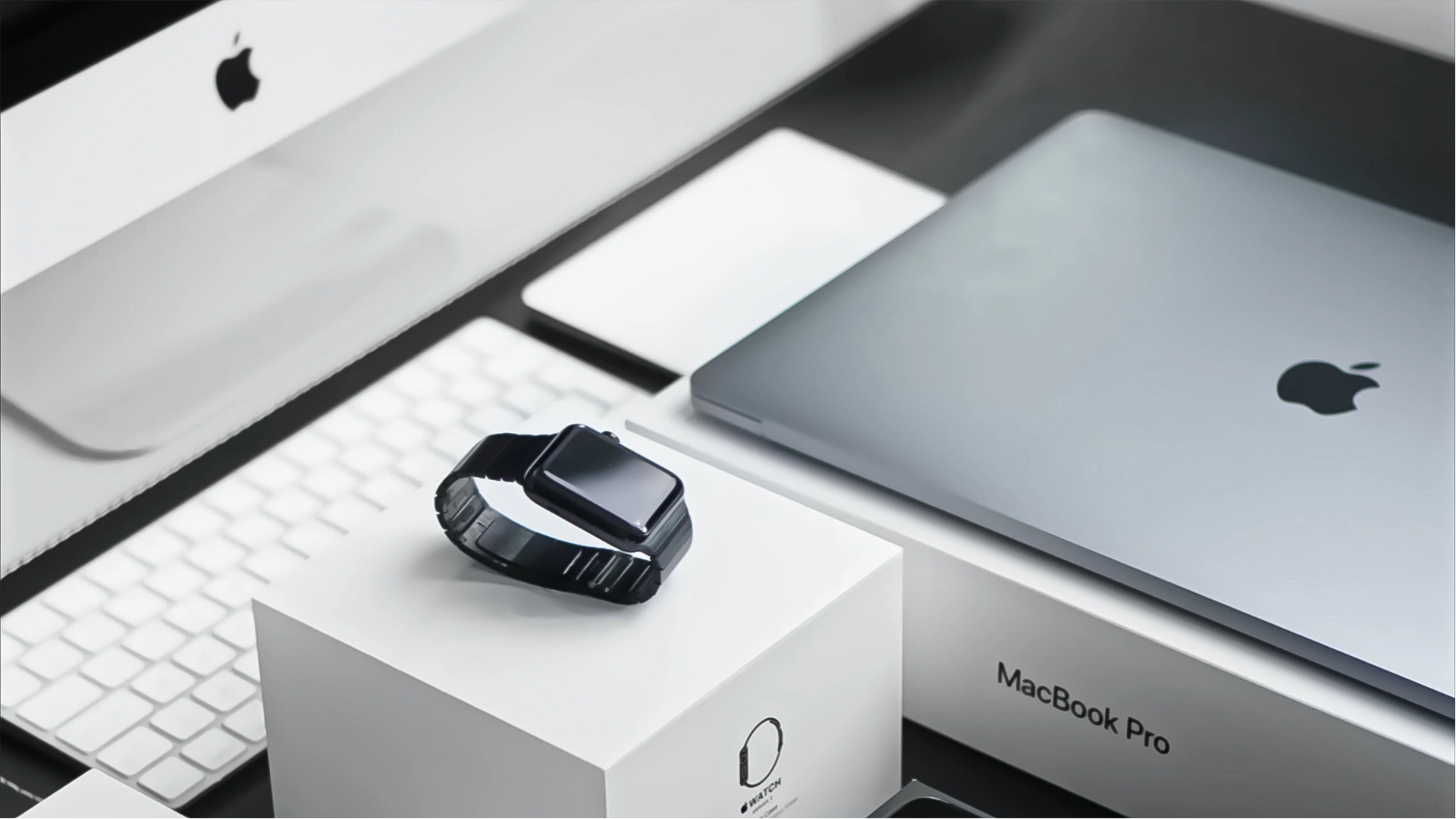
Apple's packaging and communication emphasize minimalism, white space, and clean lines. Every visual element conveys innovation, style, and premium quality—core elements of Apple's marketing strategy.
Where is Marketing Design Used?
1. Product Packaging
The most effective ad is product packaging itself. Within three seconds, it must clearly tell the consumer: "I’m exactly what you're looking for."
Global Case:
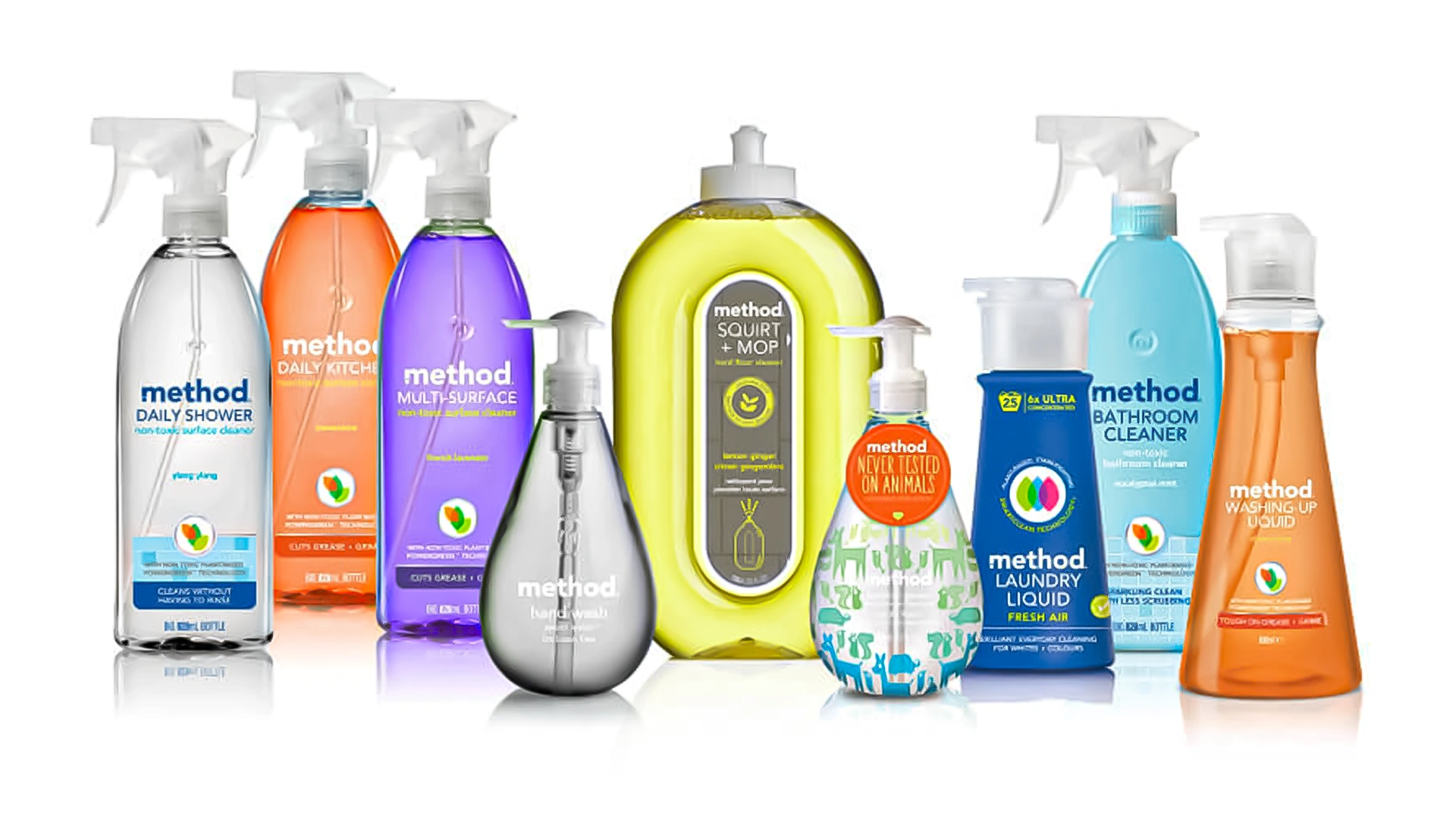
Green Chemistry brand Method used unique shapes and vibrant colors for its packaging to stand out against traditionally sterile competitors. Their products look like art objects, helping them secure premium retail shelf space.
2. Email Marketing
Effective email marketing isn't just text and buttons; it incorporates brand colors, visual highlights, modular layouts, and recognizable style—even without a visible logo.
Tip:
Avoid overload, use readable fonts, and buttons with clear CTAs ("Buy Now," "Learn More").
3. Social Media
Social media design defines the visual tone of the brand. It should be consistent and instantly recognizable.
Example:
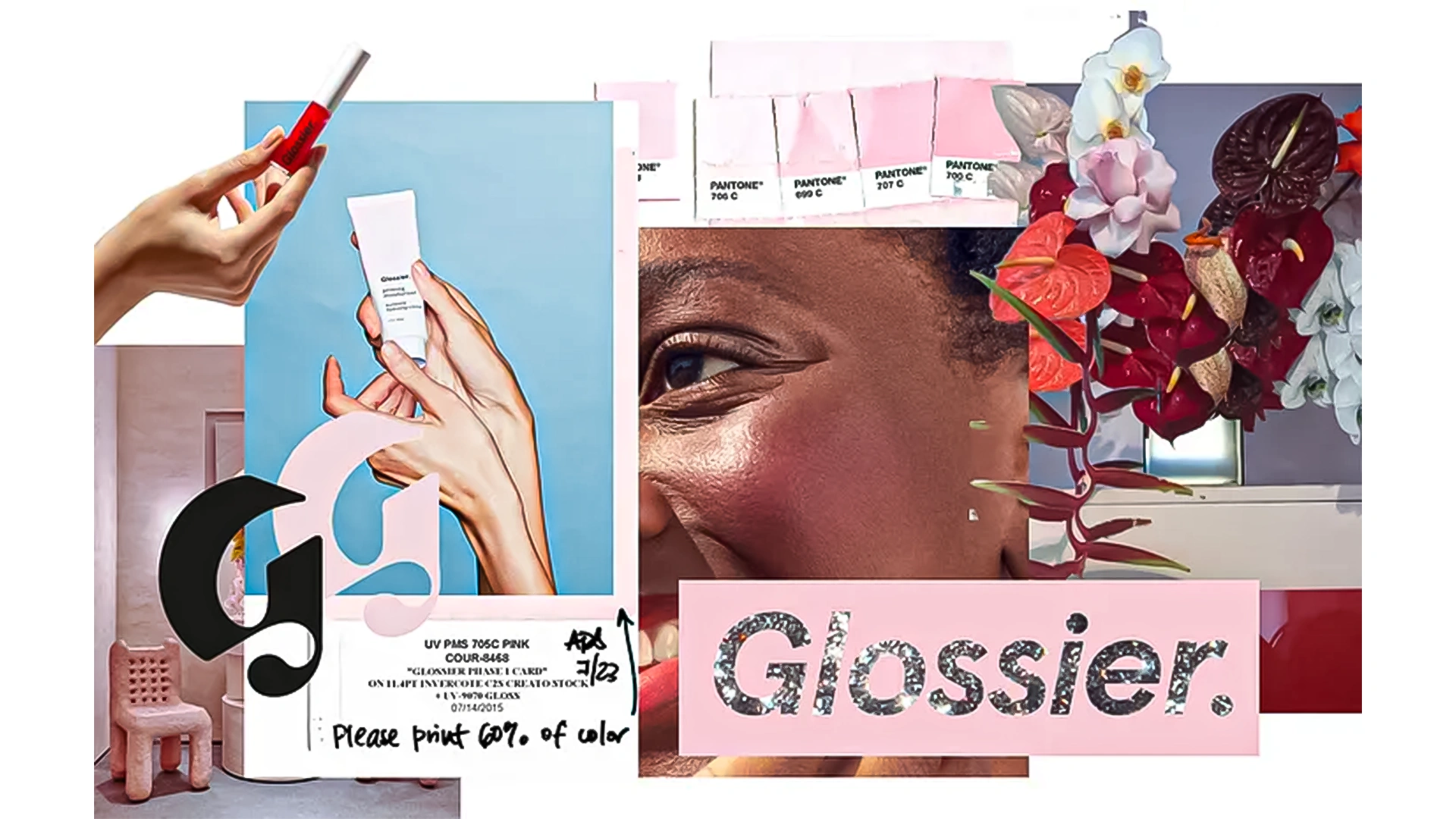
Glossier, a cosmetics brand, built its identity around minimalism, pale pink shades, natural lighting, and an authentic "filter-free" approach. Their Stories, banners, and packaging form a cohesive visual experience.
Tip:
Use your brand’s colors, typography, and composition consistently—even memes and promotions in Stories should reflect the same style as packaging and website.
4. Digital and Offline Advertising
Banners, outdoor ads, stickers—all must be part of a consistent brand visual ecosystem.
Case Example:
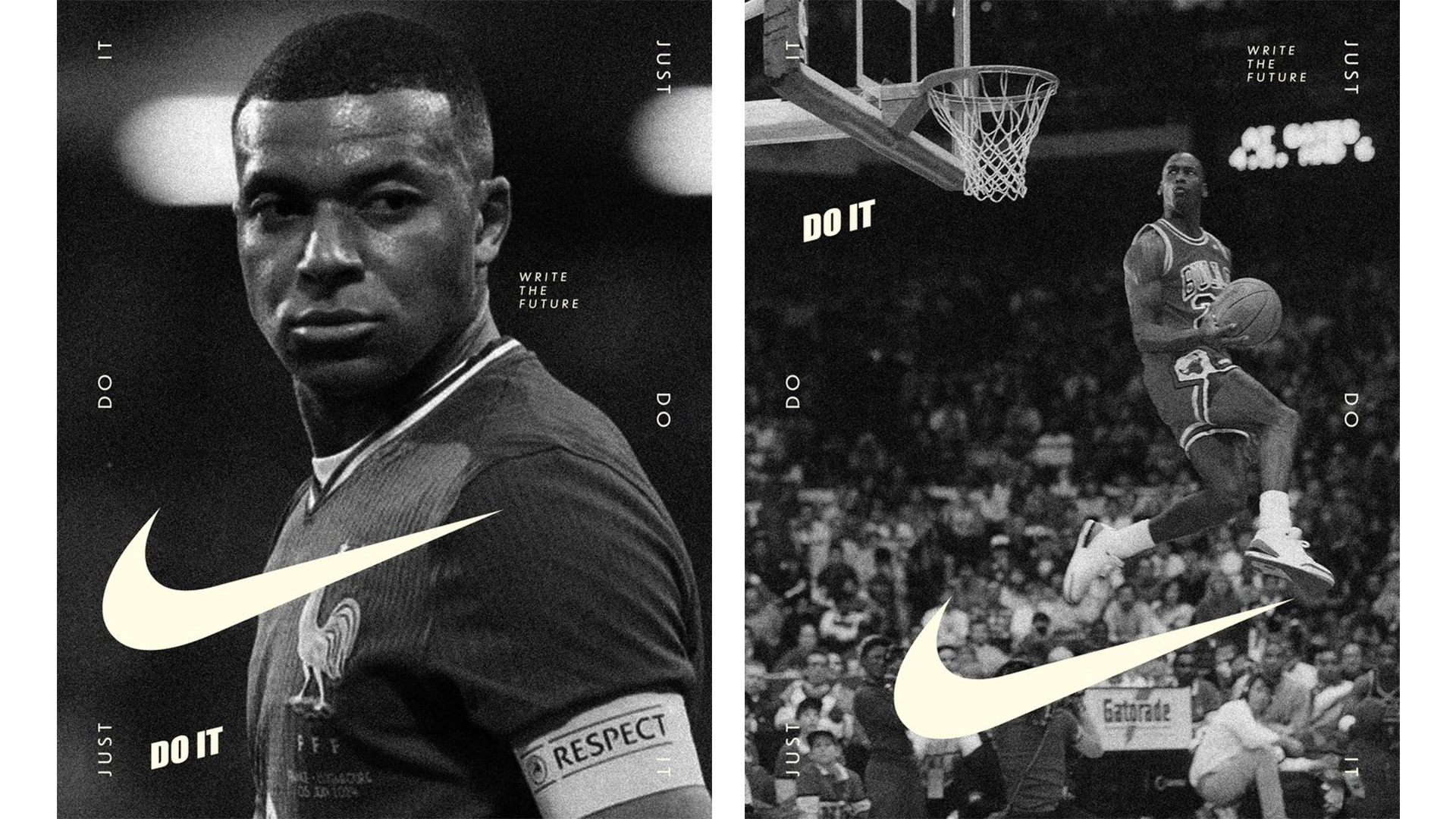
Nike’s minimalist black-and-white visuals with bold slogans are instantly recognizable. These work equally well on billboards and social media, reinforcing brand identity at every touchpoint.
5. Websites and Landing Pages
Online branding starts not with social media, but with your website—your primary communication channel.
Example:
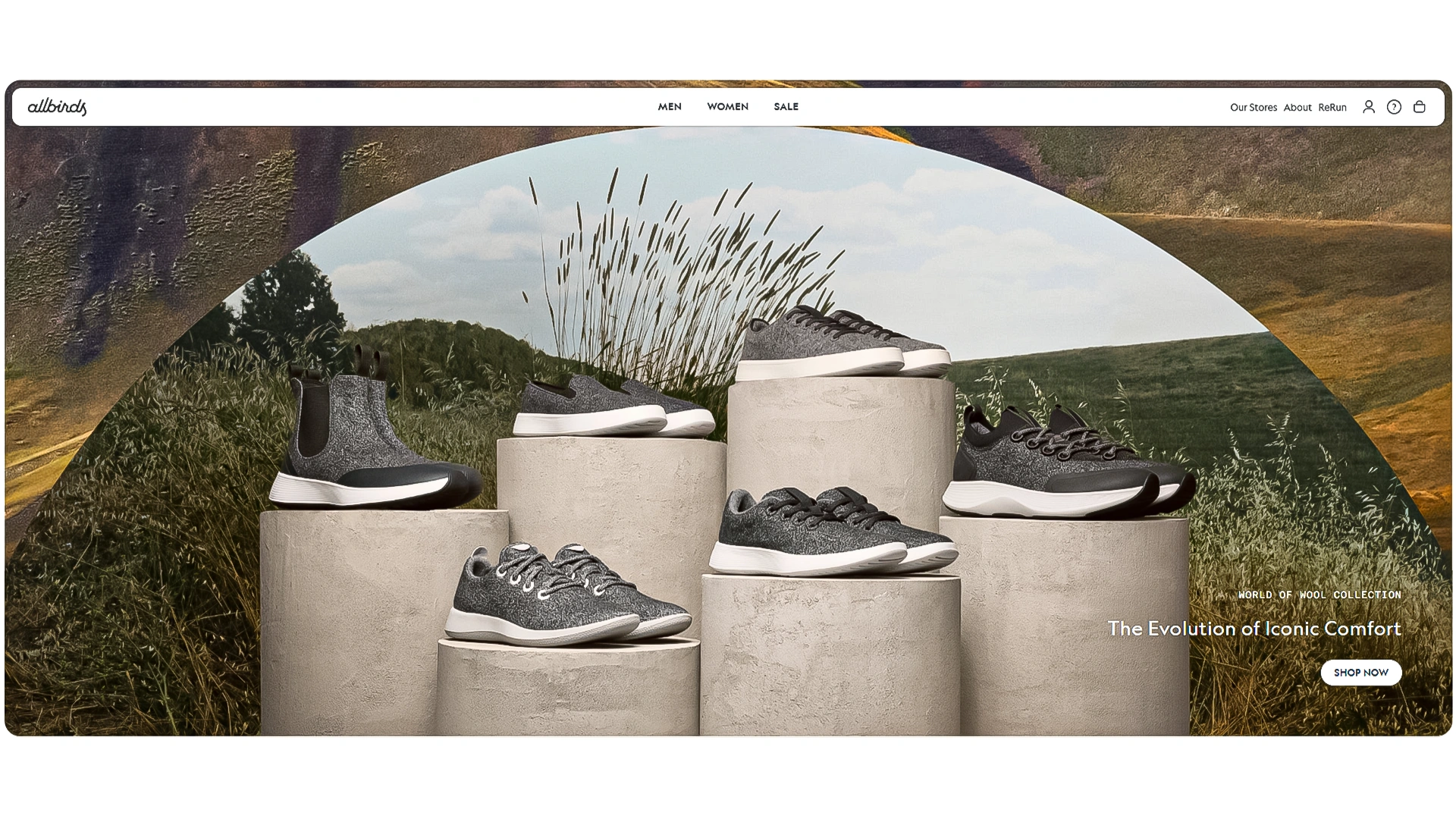
The sustainable footwear brand Allbirds uses responsive, clean, visually appealing web design that complements the buying experience. Their website communicates not only product information but brand values such as sustainability and comfort clearly.
Five Principles of Effective Marketing Design
- Follow Brand Guidelines.
Your brand book is your anchor. Packaging, landing pages, banners—everything should speak one visual language. - Readability Over Decoration.
Fonts, contrasts, and whitespace strongly affect perception. Be clear and understandable. - One Clear Call-To-Action (CTA).
Let viewers understand exactly what they should do: "Buy," "Click here," or "Subscribe." - Adapt to Format.
Design should look equally good on mobile and print media. - Testing.
A/B tests, surveys, pilot packaging launches—these ensure the best visual results before larger investments.
Marketing design is not just an additional option today—it’s essential for a successful business strategy. At Minim, our experience confirms that strategic design helps brands stand out, build trust, and steadily increase sales.
Trust your project to Minim, and see firsthand how professional design and strategic marketing help your brand thrive in the marketplace.
Share

Other articles
04.10.2026
Brand marketing strategy should be developed before packaging design, not after
If a brief intended for collaboration begins with the words “we just need packaging,” then one very important stage has already been overlooked. The first question from a professional design agency should not be about color or style. The first question should be: what business problem is this packaging supposed to solve? Starting work without answering this question is not merely a theoretical mistake; it is a serious flaw that can lead to major financial losses. One of the most famous failures in global branding practice happened precisely because this question was ignored.
29.09.2026
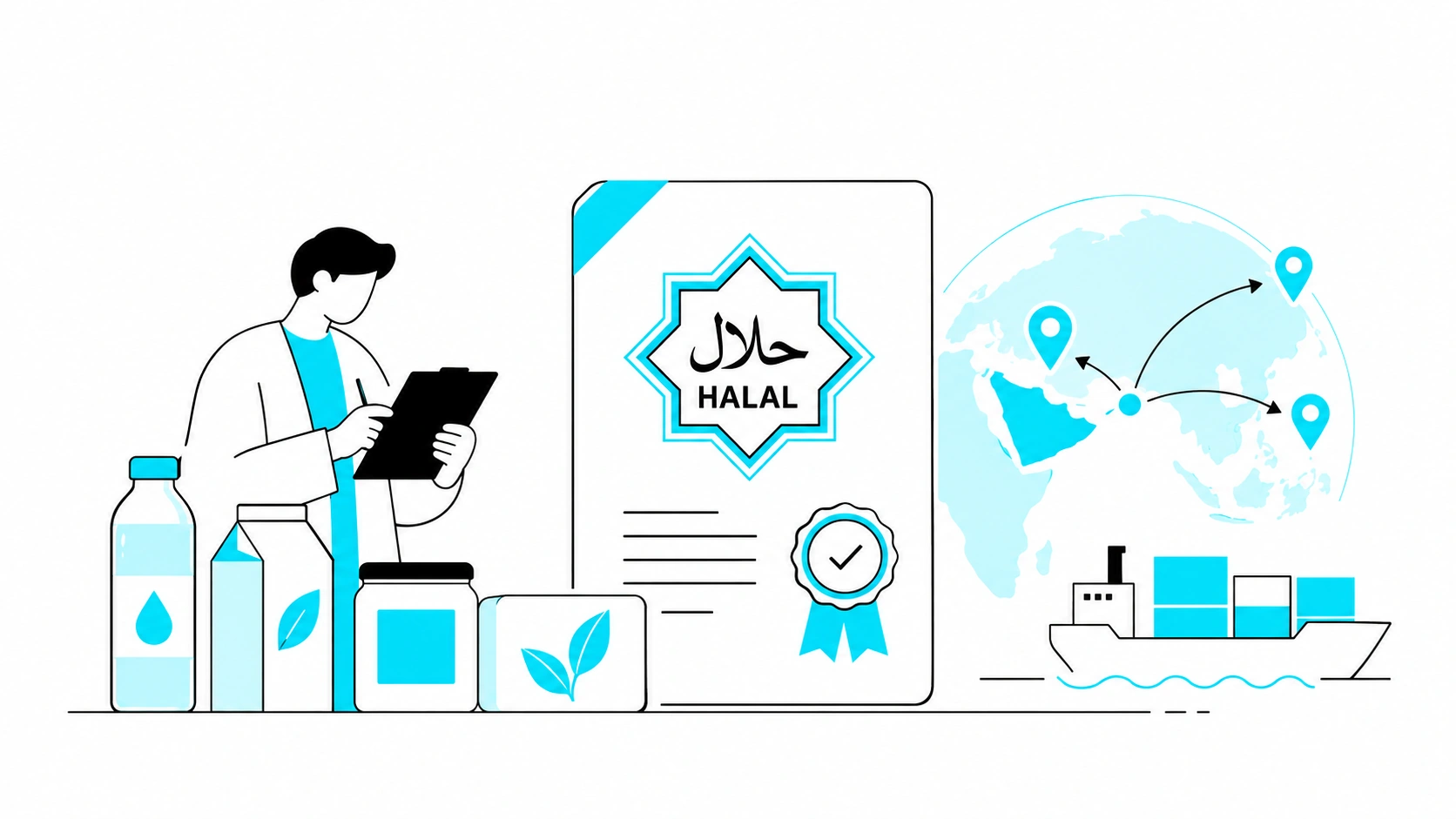
HALAL CERTIFICATE IN UZBEKISTAN: WHY YOUR BUSINESS NEEDS IT, HOW MUCH IT COSTS, AND HOW TO GET IT
In the past, the "Halal" mark was just a neat marketing trick for many. Slap a green crescent on the packaging, and sales would soar. No one really dug deep to see if there was any actual control behind the label. But the rules of the game have fundamentally changed. Starting May 1, 2025, "Halal" labeling in Uzbekistan was taken under strict state control. Now, this mark requires an official certificate based exclusively on SMIIC standards. Although obtaining the certificate is voluntary, if you want to enter major supermarket chains, export, or work with imported raw materials, it has become a core requirement for doing business.
If you produce food, cosmetics, or even ordinary bottled water, and you want your packaging to boost sales rather than collect fines for illegal labeling, you need to understand the new rules. In this article, we—as an agency working directly with brands—will break it all down for you from A to Z: who issues legitimate certificates today, by what criteria your production will be evaluated, how much the process costs, and in which unexpected products the Halal status plays a decisive role.
21.09.2026
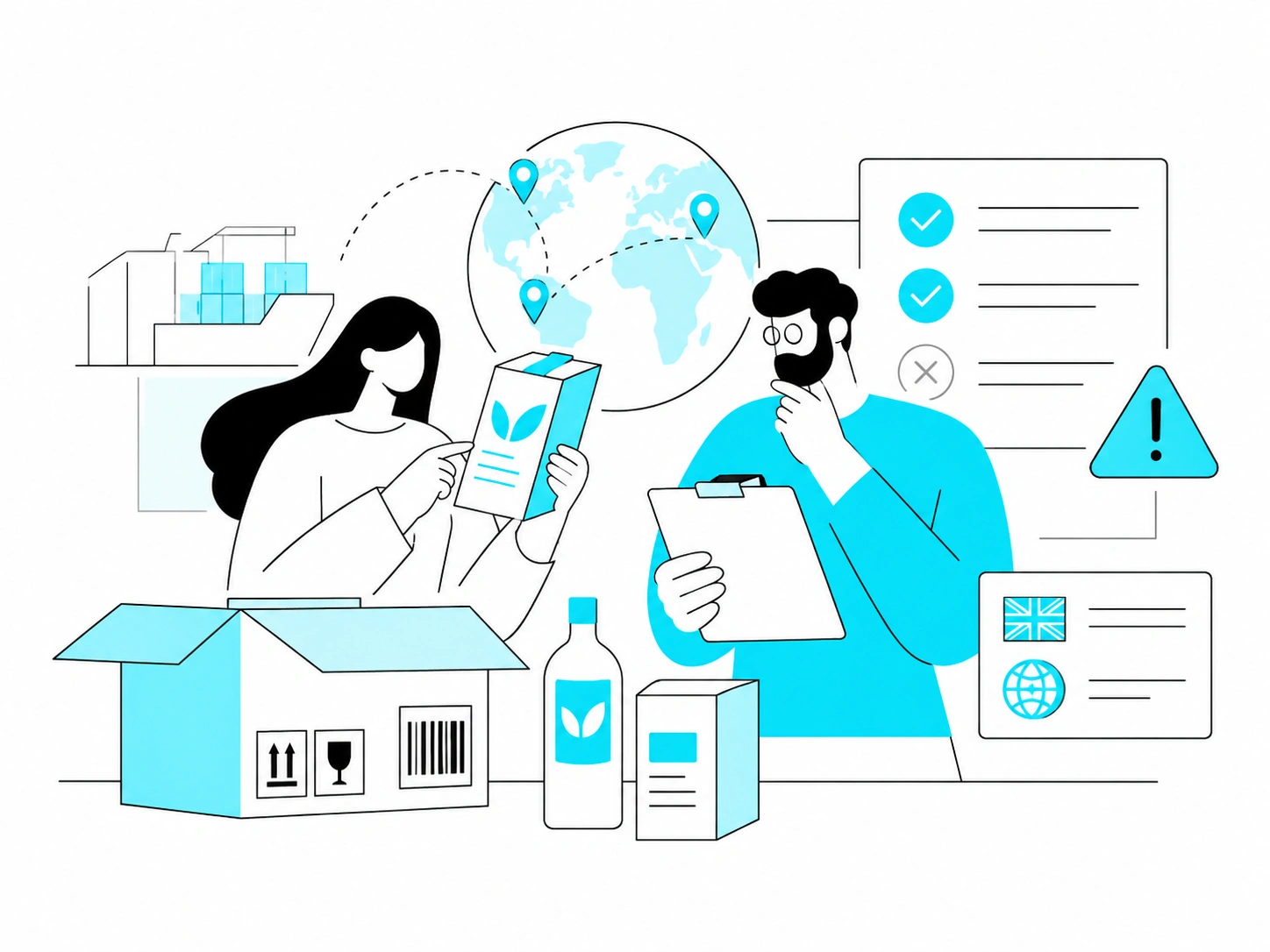
Typical Packaging Mistakes Local Brands Make When Entering International Markets
More and more Uzbek manufacturers are looking beyond the domestic market. In many cases, packaging becomes one of the key factors that determines whether an export launch succeeds or fails. The problem is usually not the quality of the product itself, but the fact that packaging for foreign markets is developed in the same way as packaging for the domestic market. In other words, companies simply take the packaging that already works locally, translate the name into English, and consider the job done.
Below are the most common mistakes and why each of them can cost much more than it may seem at first.