



23.05.2025
How to create value to sell at a premium or what is value added?

Value Added in Uzbekistan
Today in Uzbekistan, value added is not just an economic term. It is a government strategy, a financial priority, and a real opportunity for businesses to increase their earnings. Ultimately, it represents a new production culture: shifting away from the raw-materials model toward products that appear on shelves as branded goods, not just commodities.
What is value added?
Simply put, it is the difference between the cost of raw materials and resour

ces and the price at which you sell the finished product. But in reality, it goes much deeper. Value added includes packaging, design, story, experience, emotion, and meaning. It’s everything that separates “just a product” from high margins and loyal customers. Here are some examples:
Tomatoes → Sun-dried tomatoes in oil
Before: fresh tomatoes at $1/kg
After: jar of sun-dried tomatoes with olive oil and spices – $5–7 per 200 g
Added value: processing, packaging, extended shelf life, gastronomic appeal
Apples → Apple chips
Before: apples at $0.40/kg
After: package of chips (25 g) – $1.50–2.00
Added value: drying, branding, positioning as a healthy snack
Herbs → Dried herbs / spices / teas
Before: fresh herbs (cilantro, dill, parsley) wholesale at $1.50–2.50/kg
After: dried, packaged in jars or bags (20–50 g), priced at $1.50–3.00
Added value: 12-month shelf life, export-ready packaging, brand identity, unique selling proposition (USP)
Dried fruits → Mixes, snacks, bars, branded healthy products
Before: bulk dried fruits such as apricots, prunes, raisins at $1.00–1.50/kg
After: snacks — mix in doy packs, energy bars with nuts (100 g) — $2.50–5.00
Added value: branding, health-focused positioning, export potential, convenient packaging, wellness marketing
Melon → Dried melon / candied fruits / melon nectar
Before: fresh melon, perishable, cheap at $0.25–0.40/kg
After: dried melon slices, candied fruits, or melon juice/nectar — $2–5 per 100 g or 250 ml pack
Added value: longer shelf life, portability, export readiness, gift packaging, healthy snack
Fresh fruits → Baby fruit purees
Before: apples, pears, plums, apricots at $0.30–0.60/kg
After: purees in soft packs with spouts (pouches) — $1.00–2.50 per 100 g
Added value: convenient packaging, sterilization, parental trust, nutritious formula, baby food certification
Why is this important now?
Uzbekistan is opening up to the world. New markets, new standards, new competition. Whereas yesterday it was enough just to “produce,” today the winner is the one who can package an idea into real value.
President Shavkat Mirziyoyev states:
"We should not sell cotton, but finished textiles. The key priority today is creating added value and new jobs. Every industrial enterprise must build its own value chain based on modern technologies and rational methods. It is important to study foreign markets and expand exports while reducing production costs."
Government actions: words turning into laws
VAT refunds to support growth.
If your business grows to medium or large scale, the state refunds the VAT paid for one year — and does so within 7 days. This is enshrined in Uzbek legislation and is already in effect.
Tax incentives for local products.
Entrepreneurs selling fruits and vegetables receive tax breaks. The government supports businesses working with local produce. Source
Priority given to finished products.
Uzbek authorities openly encourage the production of finished goods with added value, rather than mere raw material exports. More detailed here
What does this mean for brands?
Added value means more profit + lower taxes + strategic support. But that’s not all. The fastest path to high margins is through branding, design, and packaging.
MINIM: Creating value visually and strategically
At MINIM, we see firsthand how Uzbekistan’s economy is evolving. Businesses no longer just need quality products — they need products worthy of export, shelf presence, and consumer attention.
Packaging is your first salesperson.
Design is not just “making it pretty,” it’s about creating perceived value.
Brand concept protects you from price wars.
Shift from raw materials to branding. From production to value creation.
The state is already doing its part — reducing taxes, refunding VAT, and promoting processing and export of finished products.
Your turn — turn to professionals like MINIM. We package products that make consumers want to buy.
Share

Other articles

04.10.2026
Brand marketing strategy should be developed before packaging design, not after
If a brief intended for collaboration begins with the words “we just need packaging,” then one very important stage has already been overlooked. The first question from a professional design agency should not be about color or style. The first question should be: what business problem is this packaging supposed to solve? Starting work without answering this question is not merely a theoretical mistake; it is a serious flaw that can lead to major financial losses. One of the most famous failures in global branding practice happened precisely because this question was ignored.
29.09.2026
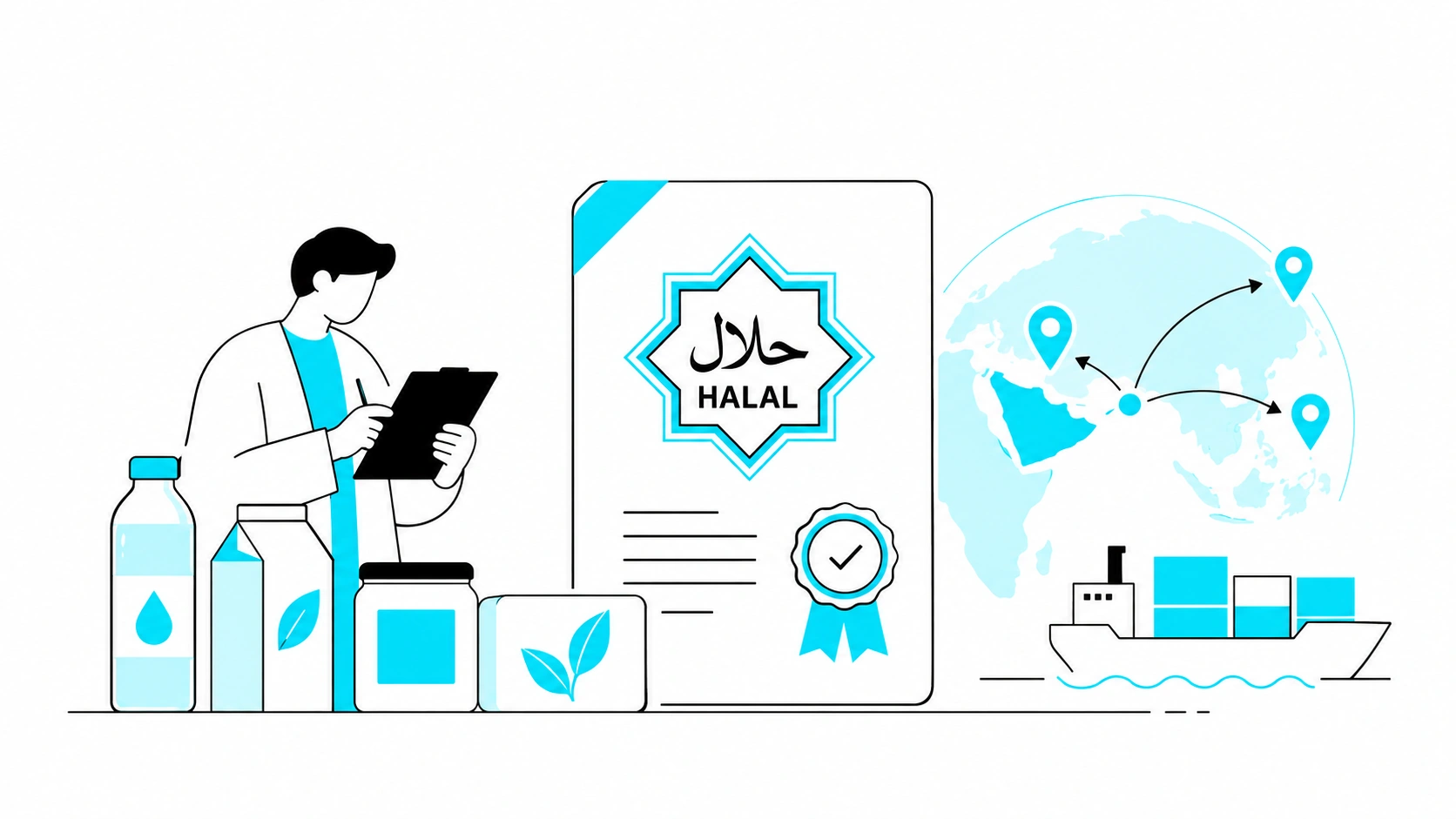
HALAL CERTIFICATE IN UZBEKISTAN: WHY YOUR BUSINESS NEEDS IT, HOW MUCH IT COSTS, AND HOW TO GET IT
In the past, the "Halal" mark was just a neat marketing trick for many. Slap a green crescent on the packaging, and sales would soar. No one really dug deep to see if there was any actual control behind the label. But the rules of the game have fundamentally changed. Starting May 1, 2025, "Halal" labeling in Uzbekistan was taken under strict state control. Now, this mark requires an official certificate based exclusively on SMIIC standards. Although obtaining the certificate is voluntary, if you want to enter major supermarket chains, export, or work with imported raw materials, it has become a core requirement for doing business.
If you produce food, cosmetics, or even ordinary bottled water, and you want your packaging to boost sales rather than collect fines for illegal labeling, you need to understand the new rules. In this article, we—as an agency working directly with brands—will break it all down for you from A to Z: who issues legitimate certificates today, by what criteria your production will be evaluated, how much the process costs, and in which unexpected products the Halal status plays a decisive role.

21.09.2026
Typical Packaging Mistakes Local Brands Make When Entering International Markets
More and more Uzbek manufacturers are looking beyond the domestic market. In many cases, packaging becomes one of the key factors that determines whether an export launch succeeds or fails. The problem is usually not the quality of the product itself, but the fact that packaging for foreign markets is developed in the same way as packaging for the domestic market. In other words, companies simply take the packaging that already works locally, translate the name into English, and consider the job done.
Below are the most common mistakes and why each of them can cost much more than it may seem at first.