



14.07.2025
Hybrid Skills: What They Are and How to Develop Them to Stay Competitive

Hybrid skills are becoming increasingly valuable in today’s job market. In this article, we’ll explain what they are, how to develop them, and why they’re essential for designers who want to grow and stay relevant in their profession.
What Are Hybrid Skills?
Hybrid skills are a combination of knowledge and competencies from different fields, allowing professionals to offer more diverse and integrated services. These specialists can not only perform their core tasks but also take on additional responsibilities that may arise during a project — delivering much more value than someone who sticks to a single function.
Example: A graphic designer who knows HTML and CSS can create fully functional web pages. Designers often combine creative thinking with technical execution. A designer familiar with digital advertising, for instance, can provide both visual solutions and marketing support — a complete package.
A 2019 study by Burning Glass Technologies revealed that job roles are becoming increasingly hybrid and complex. Employers are seeking candidates with a broad mix of skills across disciplines. The four most in-demand hybrid skills include:
Design — Creative thinking is a key requirement.
Digital literacy — The ability to work with various digital tools and technologies.
Data analysis and interpretation — A crucial skill across analytical roles.
Basic business and management knowledge — Especially important in tech and IT sectors.
In fact, hybrid skills are valued across many industries — including design. Clients benefit by getting more comprehensive services from a single specialist, while designers can command higher fees by combining multiple competencies.
Example of hybrid design skills: Design + Web development
How to Develop Hybrid Skills?
We all know how to learn new things: some take courses, others are self-taught. But to stay competitive, you need to identify which skills will be most useful in your field. Here are several tips from the Minim team to help guide your development:
Analyze what your peers offer.
Look at what services other designers in your niche are promoting. This will help you identify trends and in-demand skills.
Track client requests.
Review what your clients are frequently asking for. If they often need extra services you could provide, that’s your opportunity to grow.
Get feedback from your regular clients.
Ask them what else they would like to see from you. It strengthens your relationship and gives you a clear idea of what to learn next.
Explore freelance platforms.
See what types of designers are in demand. Are clients looking just for visuals, or for people who can build them to spec?
Join professional communities.
Participate in online design groups and forums. Learn which hybrid skills are trending and what challenges professionals are facing.
Study online courses.
Look for education platforms in your industry. Choose relevant topics that will strengthen your offering.
Evaluate your current skills.
Do a personal SWOT analysis to identify your strengths and what areas you should improve.
Conclusion
The world is changing rapidly — and success belongs to those who can adapt and grow quickly. Professionals who master a combination of skills will thrive in their careers.
Start developing your hybrid skill set with Minim, stay in sync with current trends, and be ready to face new challenges — it’s your key to long-term success and competitiveness in the job market.
Now that you know how to identify the right skills for your growth — it’s time to act. Let’s move forward, together with Minim!
Share

Other articles

04.10.2026
Brand marketing strategy should be developed before packaging design, not after
If a brief intended for collaboration begins with the words “we just need packaging,” then one very important stage has already been overlooked. The first question from a professional design agency should not be about color or style. The first question should be: what business problem is this packaging supposed to solve? Starting work without answering this question is not merely a theoretical mistake; it is a serious flaw that can lead to major financial losses. One of the most famous failures in global branding practice happened precisely because this question was ignored.
29.09.2026
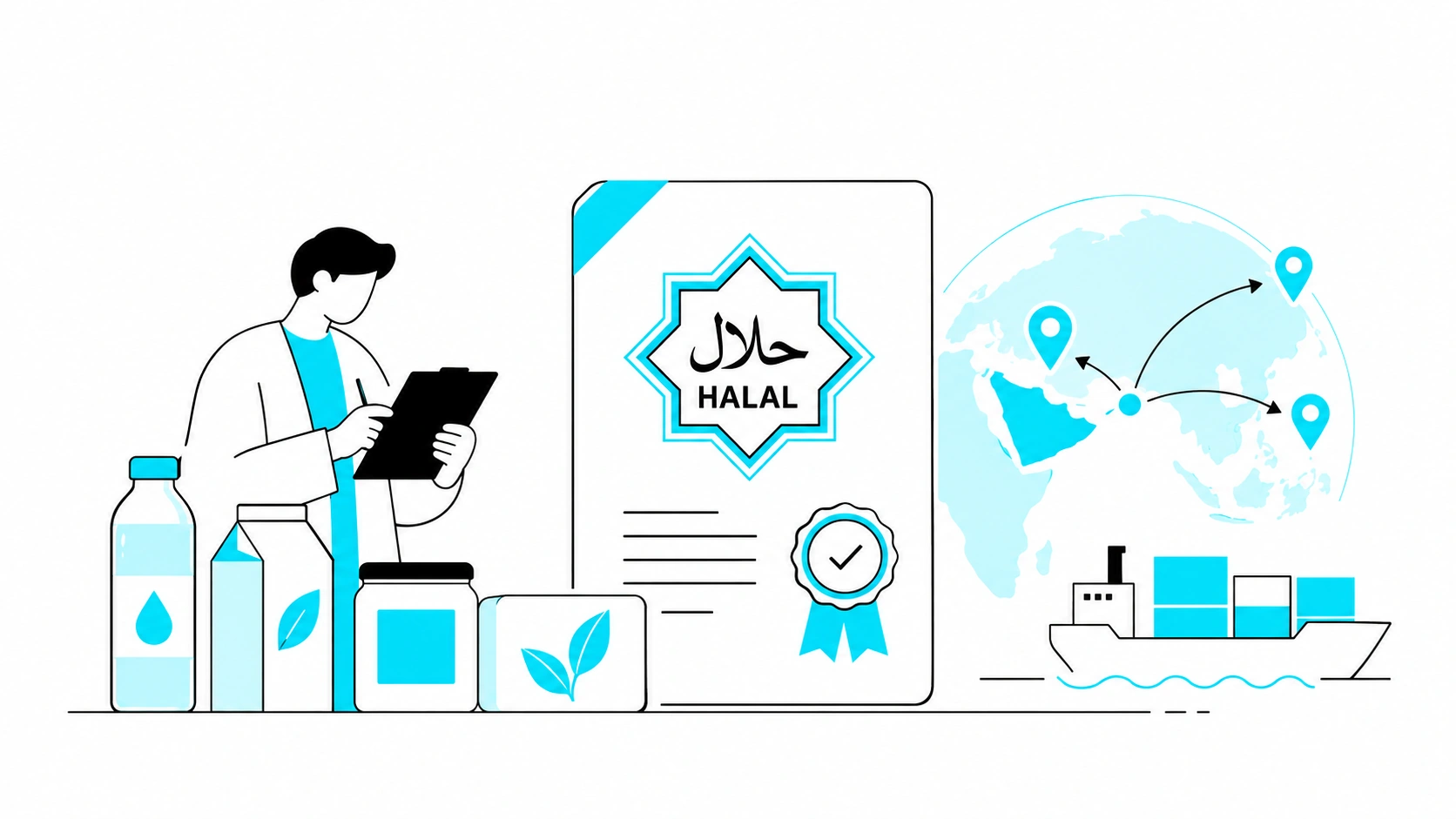
HALAL CERTIFICATE IN UZBEKISTAN: WHY YOUR BUSINESS NEEDS IT, HOW MUCH IT COSTS, AND HOW TO GET IT
In the past, the "Halal" mark was just a neat marketing trick for many. Slap a green crescent on the packaging, and sales would soar. No one really dug deep to see if there was any actual control behind the label. But the rules of the game have fundamentally changed. Starting May 1, 2025, "Halal" labeling in Uzbekistan was taken under strict state control. Now, this mark requires an official certificate based exclusively on SMIIC standards. Although obtaining the certificate is voluntary, if you want to enter major supermarket chains, export, or work with imported raw materials, it has become a core requirement for doing business.
If you produce food, cosmetics, or even ordinary bottled water, and you want your packaging to boost sales rather than collect fines for illegal labeling, you need to understand the new rules. In this article, we—as an agency working directly with brands—will break it all down for you from A to Z: who issues legitimate certificates today, by what criteria your production will be evaluated, how much the process costs, and in which unexpected products the Halal status plays a decisive role.

21.09.2026
Typical Packaging Mistakes Local Brands Make When Entering International Markets
More and more Uzbek manufacturers are looking beyond the domestic market. In many cases, packaging becomes one of the key factors that determines whether an export launch succeeds or fails. The problem is usually not the quality of the product itself, but the fact that packaging for foreign markets is developed in the same way as packaging for the domestic market. In other words, companies simply take the packaging that already works locally, translate the name into English, and consider the job done.
Below are the most common mistakes and why each of them can cost much more than it may seem at first.