



04.06.2024
Private Label: Innovations in the World of Retail
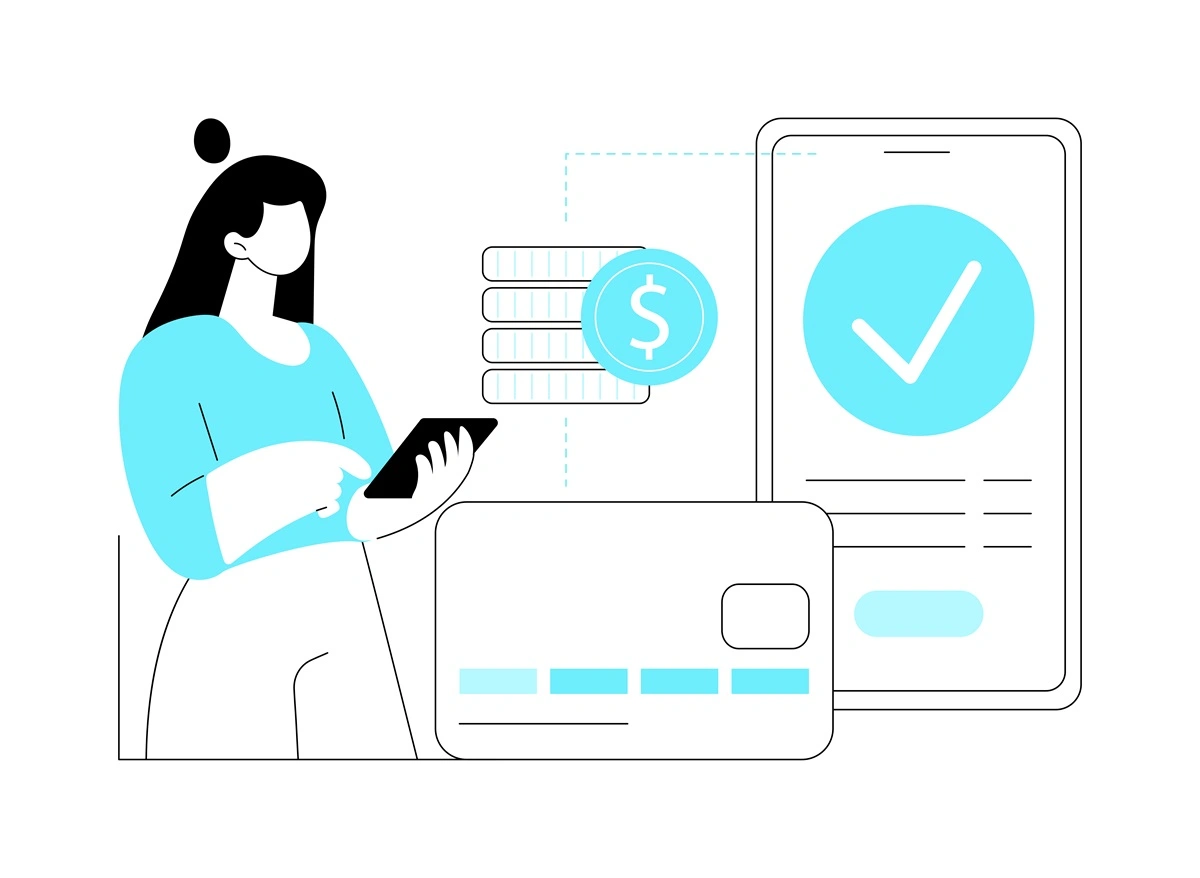
There is a growing trend in the world of retail - the use of private labels (PL). This approach to sales opens up new opportunities for both retail chains and manufacturers. In this article, we will consider what PL is, how it affects the country's economy, the pros and cons for local and foreign manufacturers, and also provide examples of successful foreign PL.
Creating Private Labels
There are several strategies used to create PL:
- Dumping: Products are manufactured taking into account current market demands and offered at lower prices. This method is the most popular and easiest way to enter the market for private labels.
- Competitor substitution: Companies using this strategy try to displace market leaders by offering alternative goods and services of their own production. This method is especially effective in segments where consumers are ready to buy similar products. Most often, this is the FMCG (fast moving consumer goods) segment: food, drinks, household chemicals, hygiene products.
- Brand extension: This approach involves cooperation between the main brand and the private label. The main brand strengthens and promotes the private label, which in turn becomes a full-fledged brand, going beyond the original retail network.
One of the most striking examples of the successful implementation of private labels is the Korzinka chain of stores. According to information received at the end of 2022, they introduced more than 300 new products under the 365 kun and Iz Korzinki brands into their assortment, becoming a key player in the private label market in the country.
Why do we need private labels?
Private labels offer a number of benefits to owners, manufacturers, and consumers:
For Owners:
- Differentiation from competitors: Private labels allow owners to stand out in the market by creating exclusive products.
- Price control and increased loyalty: Brand owners can control pricing and increase customer loyalty by offering products at more affordable prices.
- Sales and profit growth: Private labels typically have higher margins, which contributes to profit growth and increased sales.
For Manufacturers:
Increased sales and reduced costs: Collaboration with private labels allows suppliers to increase sales volumes and reduce production costs.
Growth opportunity: Working with private labels gives manufacturers the opportunity to increase production volumes and invest in business development.
For consumers:
Price: Private labels offer quality products at more affordable prices, meeting the needs of customers with different income levels.
Wide range of products: Private labels cover almost all product categories, including food, clothing, household chemicals, as well as non-essential goods such as household appliances and electronics.
It is important to note that private labels provide a unique opportunity to enter a niche in the market with minimal financial risk. In case of successful business under a private label, there is an opportunity for further expansion and opening of own production. Thus, private labels represent a win-win deal for both owners and consumers, providing a source of sustainable growth and innovation in the retail industry.
Disadvantages of Private Labels
Like any business, Private Labels have their disadvantages and risks. For example, for owners there may be a risk of losing reputation if the quality of the product does not meet consumer expectations. For manufacturers, a strong reduction in product prices can affect profits. For consumers, buying goods at low prices may be associated with the risk of purchasing a low-quality product.
Also, one of the disadvantages of Private Labels for the country's economy is the possible loss of currency when working with foreign manufacturers. However, the export of Private Label products can compensate for this disadvantage by attracting foreign investment and currency to the country. For example, in 2022, the bi1 chain of stores established the export of Private Label products to Tajikistan. 340 products from Uzbek manufacturers can already be purchased in Auchan and bi1 stores.
Many chain stores are actively using the strategy of creating their own brands, drawing attention to their products and strengthening their position in the market. With their vast potential and their own shelves, these chains can place their own brands anywhere and in any quantity. With a deep understanding of their customers' preferences and where products sell well, the chains know exactly what products to offer under their own brands.
For example, the Uzum Market chain of stores offers its own brand of goods called Oila tanlovi, the Makro supermarket chain offers the M brand, and the Korzinka supermarket chain offers 365 kun and Iz Korzinki. Such initiatives allow store chains to create a unique product range, and consumers to enjoy the variety and quality of their own brand goods.
In general, private labels have become an integral part of the retail industry, providing benefits to both entrepreneurs and consumers, and contributing to the overall development of business. Our agency actively cooperates with many private label owners, providing them with professional services in creating unique product packaging designs. Our clients include such well-known brands as Minix & Afshon, Zenit, Crafers, and many others who trust us to develop the packaging design for their products.
Share

Other articles
04.10.2026
Brand marketing strategy should be developed before packaging design, not after
If a brief intended for collaboration begins with the words “we just need packaging,” then one very important stage has already been overlooked. The first question from a professional design agency should not be about color or style. The first question should be: what business problem is this packaging supposed to solve? Starting work without answering this question is not merely a theoretical mistake; it is a serious flaw that can lead to major financial losses. One of the most famous failures in global branding practice happened precisely because this question was ignored.
29.09.2026
HALAL CERTIFICATE IN UZBEKISTAN: WHY YOUR BUSINESS NEEDS IT, HOW MUCH IT COSTS, AND HOW TO GET IT
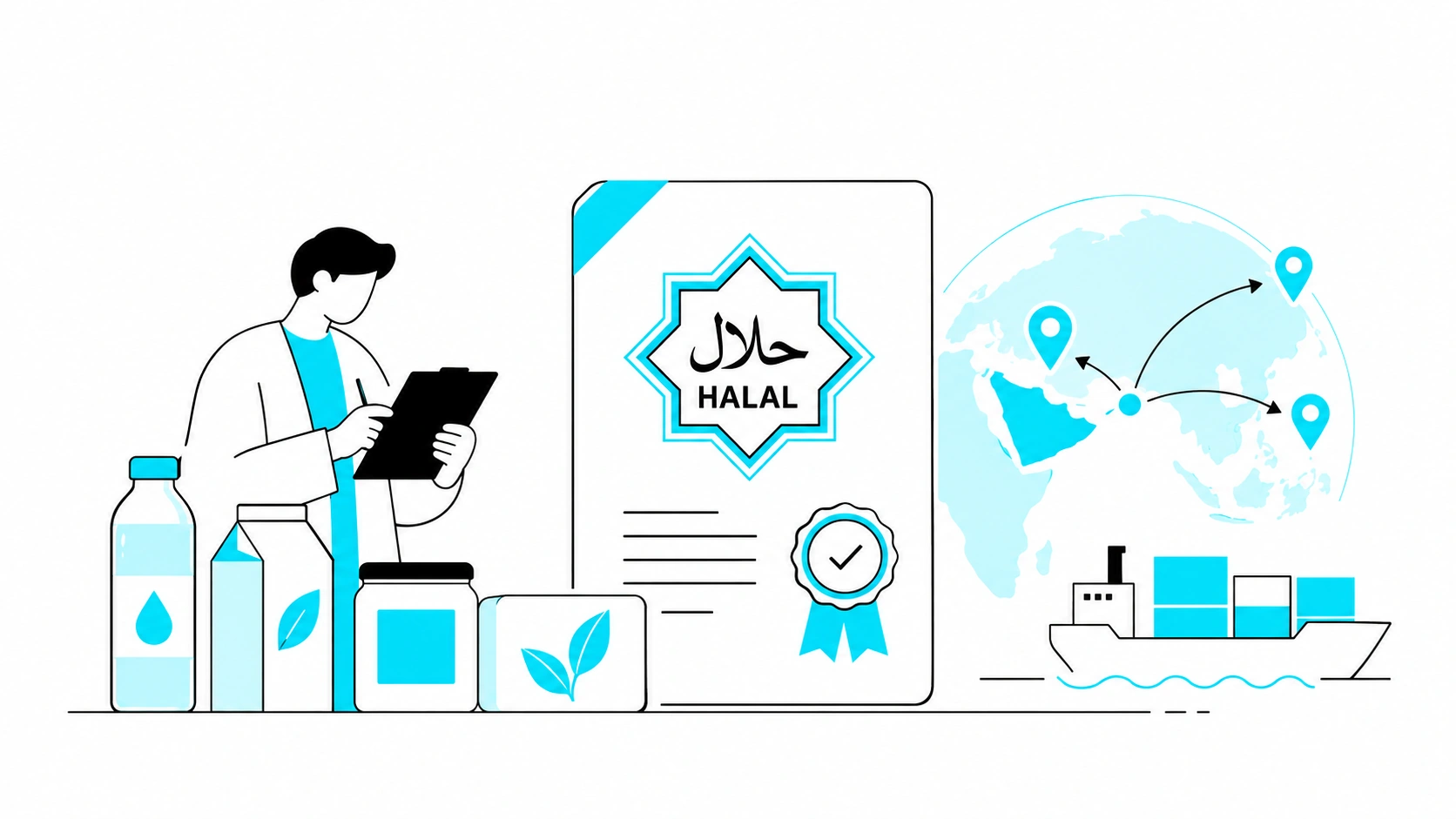
In the past, the "Halal" mark was just a neat marketing trick for many. Slap a green crescent on the packaging, and sales would soar. No one really dug deep to see if there was any actual control behind the label. But the rules of the game have fundamentally changed. Starting May 1, 2025, "Halal" labeling in Uzbekistan was taken under strict state control. Now, this mark requires an official certificate based exclusively on SMIIC standards. Although obtaining the certificate is voluntary, if you want to enter major supermarket chains, export, or work with imported raw materials, it has become a core requirement for doing business.
If you produce food, cosmetics, or even ordinary bottled water, and you want your packaging to boost sales rather than collect fines for illegal labeling, you need to understand the new rules. In this article, we—as an agency working directly with brands—will break it all down for you from A to Z: who issues legitimate certificates today, by what criteria your production will be evaluated, how much the process costs, and in which unexpected products the Halal status plays a decisive role.
21.09.2026
Typical Packaging Mistakes Local Brands Make When Entering International Markets
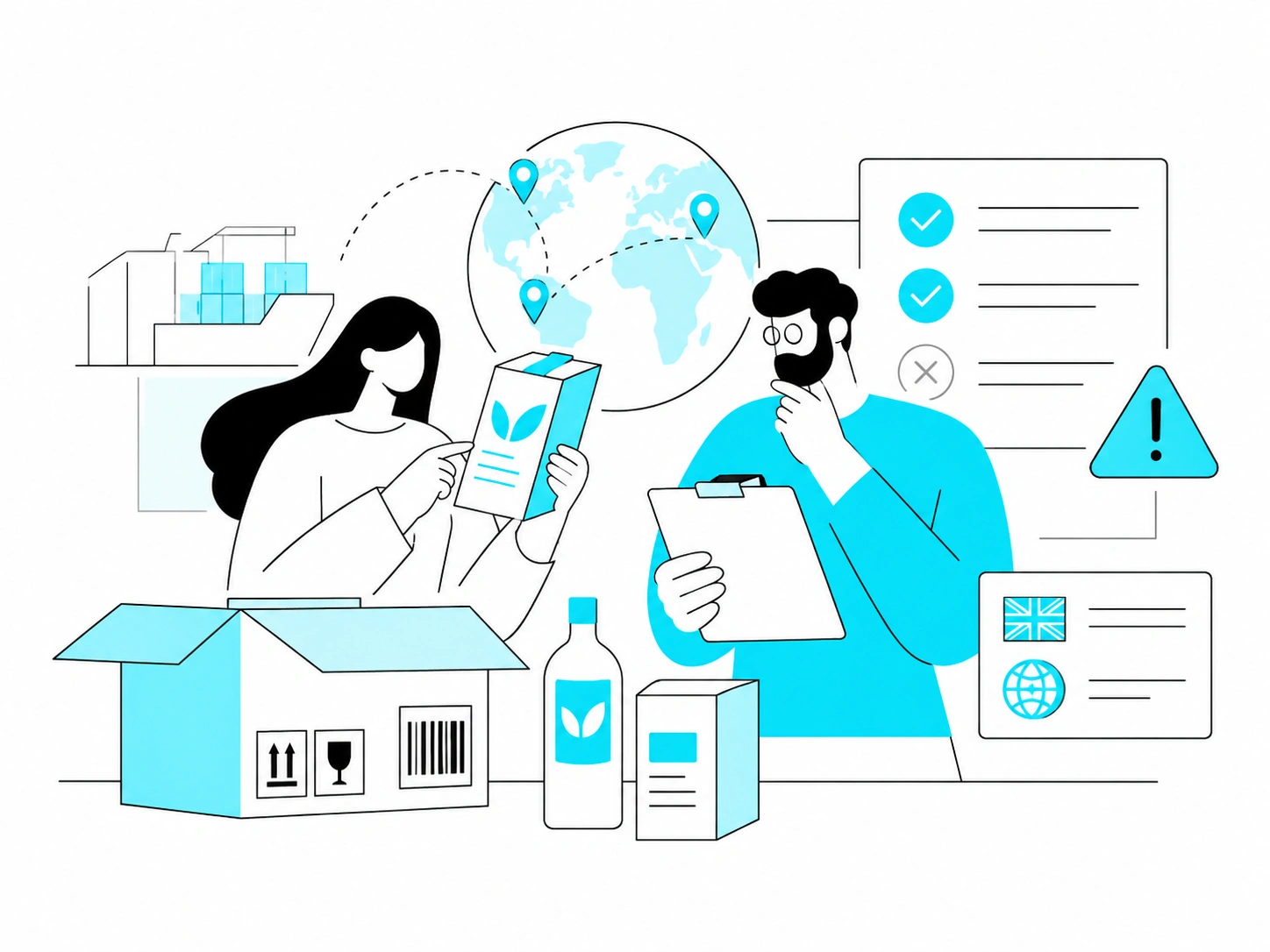
More and more Uzbek manufacturers are looking beyond the domestic market. In many cases, packaging becomes one of the key factors that determines whether an export launch succeeds or fails. The problem is usually not the quality of the product itself, but the fact that packaging for foreign markets is developed in the same way as packaging for the domestic market. In other words, companies simply take the packaging that already works locally, translate the name into English, and consider the job done.
Below are the most common mistakes and why each of them can cost much more than it may seem at first.