



17.07.2025
What Qualities Does a Successful Graphic Designer Have? 10 Key Skills from the Minim Team
The Minim agency team shares the essential soft skills that help graphic designers become highly sought-after professionals. Check which qualities you've already developed and which ones you still need to work on.
People often choose graphic design for creative freedom, the ability to manage their own time, and continuous professional development. However, not every talented designer becomes successful or highly demanded. So what's the secret of success?
Who Is a Successful Graphic Designer?
A successful graphic designer isn't simply someone creative who produces visually appealing content. Rather, they're a professional capable of attracting and retaining clients, managing their time and resources effectively, continuously improving their skills, and building a strong reputation.
At Minim, our designers consistently receive repeat orders and are recommended to friends and partners, who value their professionalism and strong soft skills.
10 Key Qualities of a Successful Graphic Designer:
- Effective Task Planning and Time Management
Tip: Always allow a buffer in your schedule. It’s better to finish a project early than to disappoint a client.
- Result-Oriented Mindset
Tip: Regularly analyze client feedback and use it as an opportunity to elevate your work further.
- Responsible Attitude and Attention to Detail
Tip: Treat every project as critical to your success—your professional reputation depends on it.
- Ability to Overcome Challenges Creatively
Tip: View challenges as opportunities to develop new skills and discover innovative solutions.
- Understanding the Impact of Your Work
Tip: Consistently clarify project details and keep your clients informed about your progress.
- Strong Communication Skills
Tip: Be open, ask clarifying questions, and clearly articulate your ideas and thoughts.
- Adaptability to New Technologies and Trends
Tip: Stay updated on current trends and regularly master new design tools.
- Willingness to Experiment and Offer Fresh Ideas
Tip: Don’t hesitate to propose unconventional solutions—these are what help your clients stand out from competitors.
- Confidence and Realistic Self-Assessment
Tip: Recognize your strengths and confidently negotiate the terms of your services.
- Commitment to Continuous Learning
Tip: Attend training sessions, participate in webinars, and continuously explore new software and industry trends.
Conclusion
By developing these qualities, you'll undoubtedly become a sought-after and successful graphic designer. The Minim team encourages you: strive for excellence, stay open to new experiences, and success will surely follow!
Share

Other articles

04.10.2026
Brand marketing strategy should be developed before packaging design, not after
If a brief intended for collaboration begins with the words “we just need packaging,” then one very important stage has already been overlooked. The first question from a professional design agency should not be about color or style. The first question should be: what business problem is this packaging supposed to solve? Starting work without answering this question is not merely a theoretical mistake; it is a serious flaw that can lead to major financial losses. One of the most famous failures in global branding practice happened precisely because this question was ignored.
29.09.2026
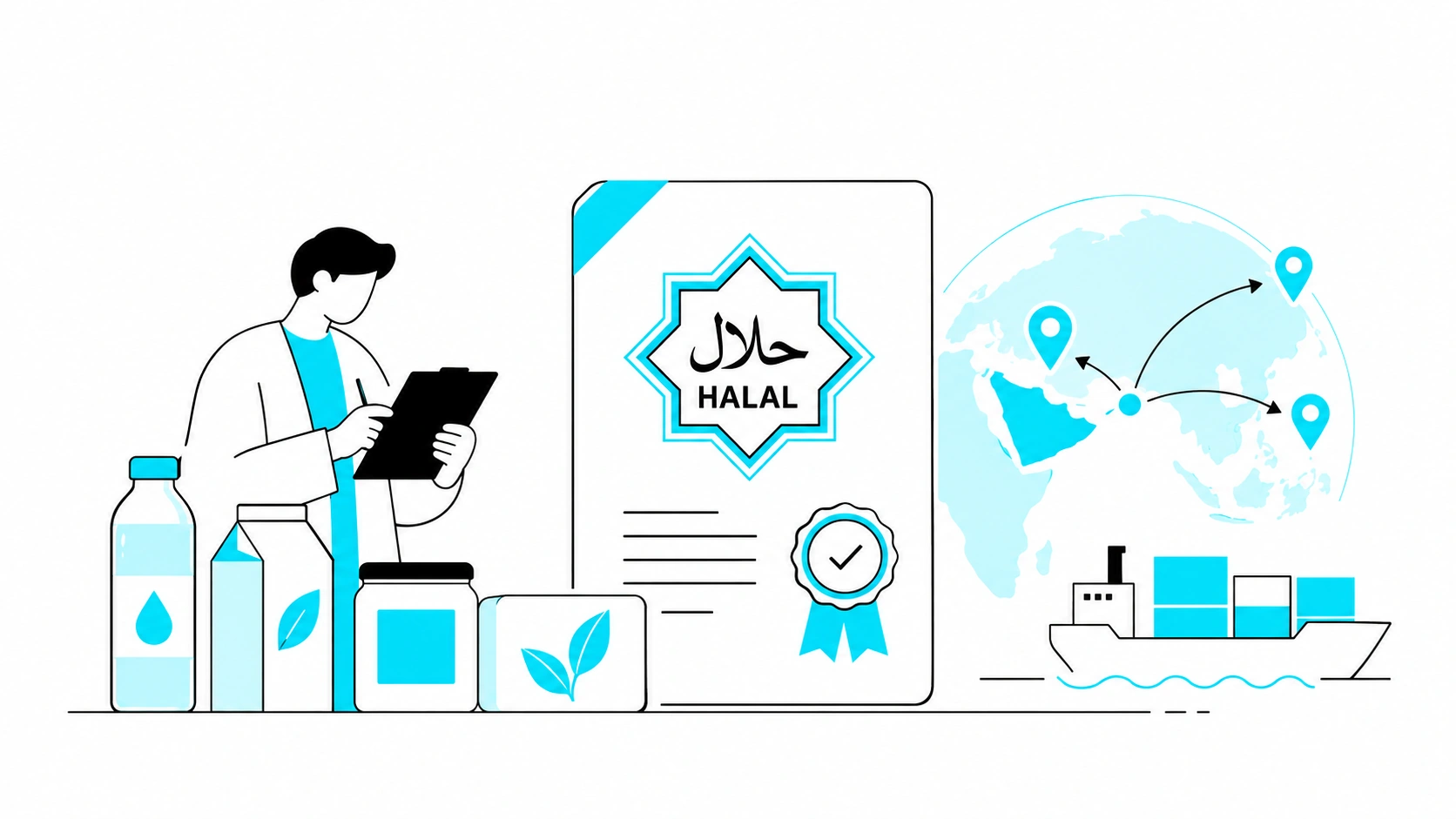
HALAL CERTIFICATE IN UZBEKISTAN: WHY YOUR BUSINESS NEEDS IT, HOW MUCH IT COSTS, AND HOW TO GET IT
In the past, the "Halal" mark was just a neat marketing trick for many. Slap a green crescent on the packaging, and sales would soar. No one really dug deep to see if there was any actual control behind the label. But the rules of the game have fundamentally changed. Starting May 1, 2025, "Halal" labeling in Uzbekistan was taken under strict state control. Now, this mark requires an official certificate based exclusively on SMIIC standards. Although obtaining the certificate is voluntary, if you want to enter major supermarket chains, export, or work with imported raw materials, it has become a core requirement for doing business.
If you produce food, cosmetics, or even ordinary bottled water, and you want your packaging to boost sales rather than collect fines for illegal labeling, you need to understand the new rules. In this article, we—as an agency working directly with brands—will break it all down for you from A to Z: who issues legitimate certificates today, by what criteria your production will be evaluated, how much the process costs, and in which unexpected products the Halal status plays a decisive role.

21.09.2026
Typical Packaging Mistakes Local Brands Make When Entering International Markets
More and more Uzbek manufacturers are looking beyond the domestic market. In many cases, packaging becomes one of the key factors that determines whether an export launch succeeds or fails. The problem is usually not the quality of the product itself, but the fact that packaging for foreign markets is developed in the same way as packaging for the domestic market. In other words, companies simply take the packaging that already works locally, translate the name into English, and consider the job done.
Below are the most common mistakes and why each of them can cost much more than it may seem at first.