



22.07.2025
From Old to New: When Rebranding is Necessary and How to Do It Effectively

Do you feel your brand is losing relevance or its competitive edge? Perhaps it's time for rebranding. In a rapidly changing, highly competitive world, brand renewal can be key to success. Here's how to recognize the right time for change and implement it effectively.
What is Rebranding?
Rebranding is a strategic process involving a complete or partial transformation of a company's image, covering everything from visual identity to corporate culture and brand positioning. At Minim, we believe that effective rebranding helps businesses remain appealing, modern, and competitive.
When Should You Consider Rebranding?
We’ve highlighted several clear indicators signaling the need for change:
- Change in Business Strategy
If your company alters its business focus or expands into new markets, rebranding helps communicate these changes effectively to your audience. (Example: Netflix, initially a DVD rental service by mail, successfully rebranded when transitioning to an online streaming platform.) - Merger or Acquisition
Creating a unified, strong, and recognizable brand image is crucial when merging brands. (Example: Exxon and Mobil merging into ExxonMobil, creating a single powerful brand.) - Outdated Brand Image
If your audience perceives your brand as outdated, rebranding can regain their interest and attract new customers. (Example: LEGO’s rebranding in the early 2000s helped revive its popularity among both children and adults through modern product lines.) - Negative Reputation
If your company faces image issues, rebranding can be essential for rebuilding audience trust. (Example: McDonald's successfully revamped its image by emphasizing healthier menu choices and environmental responsibility.) - Entering International Markets
Adapting your brand to the cultural and linguistic characteristics of new markets makes it more effective and accepted. (Example: Coca-Cola adapts marketing campaigns to cultural and linguistic nuances, ensuring strong global appeal.) - High Competition
In competitive markets, rebranding can set your company apart and solidify your market position. (Example: Apple's rebranding in the late '90s emphasized innovation and minimalist product design, helping it stand out.) - Low Sales and Poor Recognition
Refreshing your visual style and positioning can boost audience interest and sales. (Example: Old Spice’s rebranding significantly increased sales and brand recognition through creative viral marketing campaigns.)
How to Conduct a Successful Rebranding: A Step-by-Step Guide from Minim
Step 1: Evaluate Your Current Brand
First, assess your existing situation. Minim conducts a comprehensive audit analyzing strengths, weaknesses, and brand perceptions through research and data analysis.
Step 2: Develop a Rebranding Strategy
Identify the brand elements that require updating (logo, slogan, corporate identity). Minim helps establish clear positioning, mission, vision, and an implementation timeline.
Step 3: Create a New Visual Identity
Your new logo, color palette, and fonts should clearly reflect your updated concept and be memorable. Minim’s designers will craft a stylish, modern, and recognizable identity.
Step 4: Define Your Unique Selling Proposition (USP)
We perform detailed market analysis to clearly articulate your brand’s unique aspects, helping differentiate it from competitors.
Step 5: Update Communications and Content
All communication channels (website, social media, promotional materials) must align with the new strategy. Minim swiftly creates and adapts new content to your updated brand image.
Step 6: Launch and Promote Your Updated Brand
The Minim team organizes effective promotional campaigns using PR campaigns and contextual and targeted advertising to quickly and vividly introduce your refreshed brand to the audience.
Step 7: Analyze Rebranding Results
Post-launch, evaluating outcomes is essential. Minim assists you in monitoring audience reactions, collecting and analyzing feedback, tracking sales performance, and identifying areas for further improvement.
Common Mistakes to Avoid in Rebranding:
- Lack of Clear Goals and Strategy (Tip: Clearly define your objectives and expected outcomes in advance.)
- Ignoring Audience Feedback (Tip: Conduct research and always consider customer expectations.)
- Sudden Changes without Proper Preparation (Tip: Inform your audience about upcoming changes in advance.)
- Weak Internal Communication (Tip: Engage employees and clearly communicate the reasons behind changes.)
Conclusion
Rebranding is a significant, responsible step that, when executed properly, can significantly strengthen your business position. Professional support from Minim agency ensures effective implementation, minimizes risks, and delivers the best possible outcomes.
Be bold in your transformation with Minim—give your refreshed brand a powerful growth impulse!
Want to learn more or receive personalized advice on rebranding? Contact us right now on Telegram! Go to Telegram
Share

Other articles

04.10.2026
Brand marketing strategy should be developed before packaging design, not after
If a brief intended for collaboration begins with the words “we just need packaging,” then one very important stage has already been overlooked. The first question from a professional design agency should not be about color or style. The first question should be: what business problem is this packaging supposed to solve? Starting work without answering this question is not merely a theoretical mistake; it is a serious flaw that can lead to major financial losses. One of the most famous failures in global branding practice happened precisely because this question was ignored.
29.09.2026
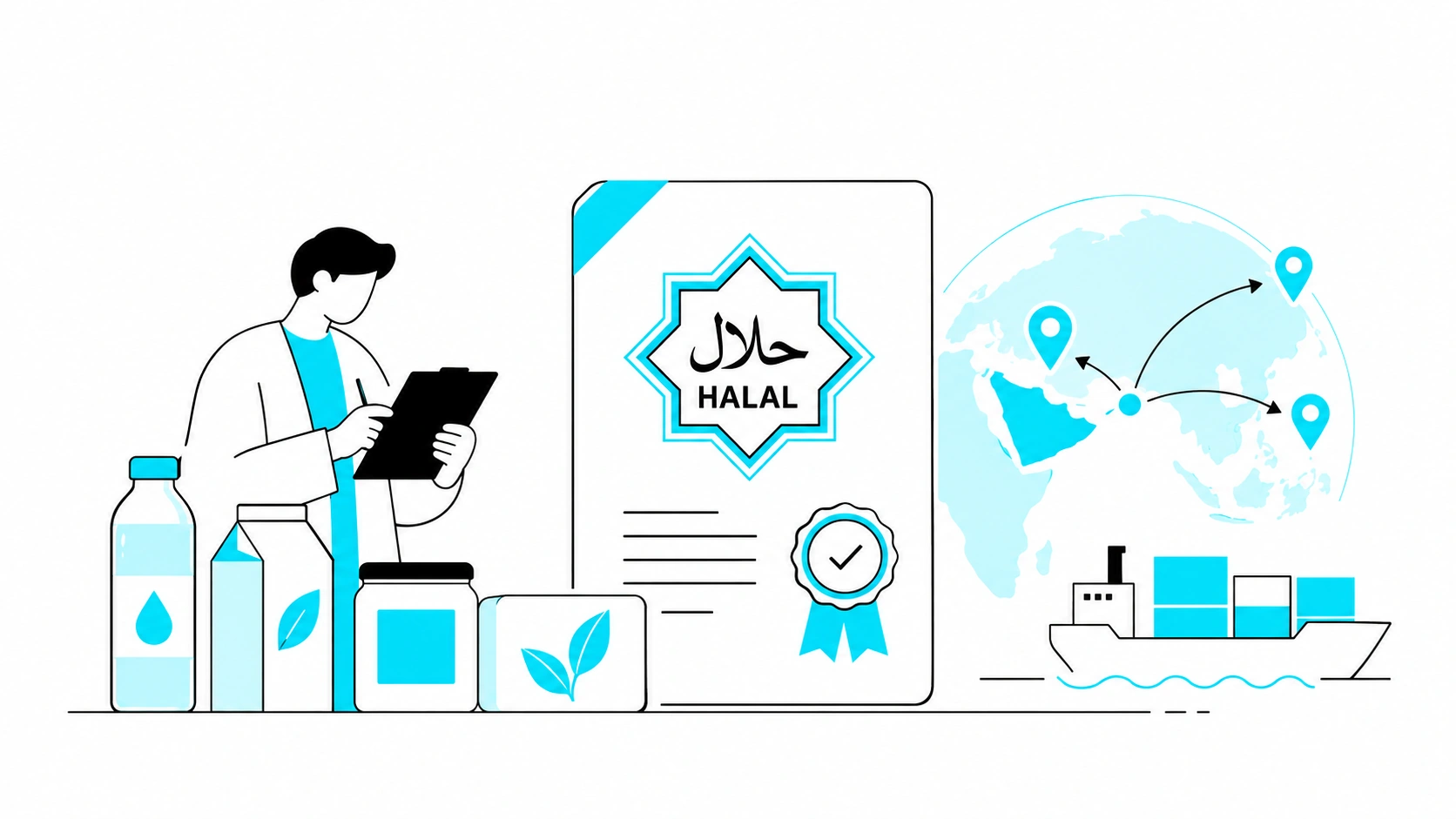
HALAL CERTIFICATE IN UZBEKISTAN: WHY YOUR BUSINESS NEEDS IT, HOW MUCH IT COSTS, AND HOW TO GET IT
In the past, the "Halal" mark was just a neat marketing trick for many. Slap a green crescent on the packaging, and sales would soar. No one really dug deep to see if there was any actual control behind the label. But the rules of the game have fundamentally changed. Starting May 1, 2025, "Halal" labeling in Uzbekistan was taken under strict state control. Now, this mark requires an official certificate based exclusively on SMIIC standards. Although obtaining the certificate is voluntary, if you want to enter major supermarket chains, export, or work with imported raw materials, it has become a core requirement for doing business.
If you produce food, cosmetics, or even ordinary bottled water, and you want your packaging to boost sales rather than collect fines for illegal labeling, you need to understand the new rules. In this article, we—as an agency working directly with brands—will break it all down for you from A to Z: who issues legitimate certificates today, by what criteria your production will be evaluated, how much the process costs, and in which unexpected products the Halal status plays a decisive role.

21.09.2026
Typical Packaging Mistakes Local Brands Make When Entering International Markets
More and more Uzbek manufacturers are looking beyond the domestic market. In many cases, packaging becomes one of the key factors that determines whether an export launch succeeds or fails. The problem is usually not the quality of the product itself, but the fact that packaging for foreign markets is developed in the same way as packaging for the domestic market. In other words, companies simply take the packaging that already works locally, translate the name into English, and consider the job done.
Below are the most common mistakes and why each of them can cost much more than it may seem at first.