



29.07.2025
Client Expectations: How We Meet Them and Why It Matters for Business

Success in any business depends not only on the quality of your product but also on your ability to understand and meet client expectations. In this article, we will explain why meeting client expectations is so important, and share our practical insights on how we consistently ensure client satisfaction and loyalty.
What Are Client Expectations?
Client expectations are the level of service, quality, and outcomes that a customer anticipates when approaching your company. These expectations might include:
- Timeliness and meeting deadlines;
- Quality of the final product or service;
- Cost-effectiveness and fair pricing;
- Communication clarity and excellent customer service.
We believe deeply understanding client expectations is foundational for successful collaboration. This allows us to:
- build long-term, trust-based relationships with clients;
- increase the likelihood of repeat business;
- reduce the risk of misunderstandings and conflicts;
- efficiently allocate resources and manage project timelines.
Meeting client expectations doesn’t mean blindly agreeing to every demand. Rather, it means organizing our work in a way that satisfies both the client and us.
How We Successfully Meet Client Expectations: Practical Tips from Our Team
1. Clearly Define the Terms of Cooperation
Before starting any project, we discuss the terms and conditions in detail. The more clearly everything is articulated, the lower the risk of misunderstanding. We always clarify:
- All requirements of the project and client expectations;
- Exact costs and any potential additional expenses;
- Deadlines and possible challenges that might arise.
Thoroughly discussing the details upfront saves considerable time and prevents misunderstandings later on.
2. Showcase Portfolio and Work Examples
Our portfolio is the key tool for clearly showing clients what outcomes they can realistically expect from us. When a client reviews examples of our previous work, they gain a clear picture of the results they can anticipate, reducing the chance of unrealistic expectations.
3. Build Client Trust
Trust is the foundation of a successful business relationship. At Minim, we establish trust by:
- Being transparent and honest about our capabilities;
- Informing clients in advance if challenges arise or deadlines need adjustment;
- Offering alternative solutions when needed.
Our clients appreciate honesty and transparency, making them more willing to cooperate effectively with us.
4. Agree on a Detailed Technical Brief (Scope of Work)
We always prepare a clear technical brief (Scope of Work), specifying:
- Detailed project objectives and tasks;
- Deadlines and implementation stages;
- Costs and payment conditions;
- Criteria for assessing the final outcome.
If the client doesn't have a ready brief, our specialists help them prepare it thoroughly.
5. Clarify Details at Each Project Stage
During the project, we always ask clarifying questions, even if answers seem obvious. This approach prevents misunderstandings, unnecessary rework, and saves time and resources.
6. Set Realistic Expectations
We never promise more than we can realistically deliver. It's better to give realistic expectations and then surpass them, rather than disappoint the client by falling short of exaggerated promises.
7. Maintain Transparent Communication
We regularly keep clients informed about the progress of their project, providing interim reports and updates. This transparency assures clients that everything is proceeding according to plan and allows timely adjustments if necessary.
8. Guarantee High-Quality Results
Regardless of how detailed the brief and conditions are, delivering high-quality results is always our top priority. Our team is dedicated to providing the highest possible quality of work to meet and exceed client expectations.
Global Examples of Brands Successfully Meeting Client Expectations:
- Apple: Offers exceptional customer service, emphasizing intuitive, user-friendly products, effectively meeting the expectations of even the most demanding customers.
- Amazon: Provides rapid delivery, a wide assortment of products, and transparent return policies, enhancing trust and customer satisfaction globally.
- Starbucks: Ensures consistent coffee quality, welcoming atmosphere, and friendly service, which meets customer expectations and builds high loyalty.
What We Recommend Your Business Should Do Today:
- Thoroughly research and understand your clients' expectations and needs.
- Establish a clear and efficient communication system with your customers.
- Regularly discuss and refine your working conditions.
- Focus on delivering exceptional quality rather than short-term gains.
- Continuously collect and incorporate client feedback into your work processes.
Meeting client expectations is the cornerstone of a stable and successful business. Our experience at Minim proves that thoroughly understanding client needs and consistently delivering on promises are keys to long-term growth and market success.
Trust your project to us at Minim, and you’ll see your expectations not only met, but significantly exceeded!
Share

Other articles

04.10.2026
Brand marketing strategy should be developed before packaging design, not after
If a brief intended for collaboration begins with the words “we just need packaging,” then one very important stage has already been overlooked. The first question from a professional design agency should not be about color or style. The first question should be: what business problem is this packaging supposed to solve? Starting work without answering this question is not merely a theoretical mistake; it is a serious flaw that can lead to major financial losses. One of the most famous failures in global branding practice happened precisely because this question was ignored.
29.09.2026
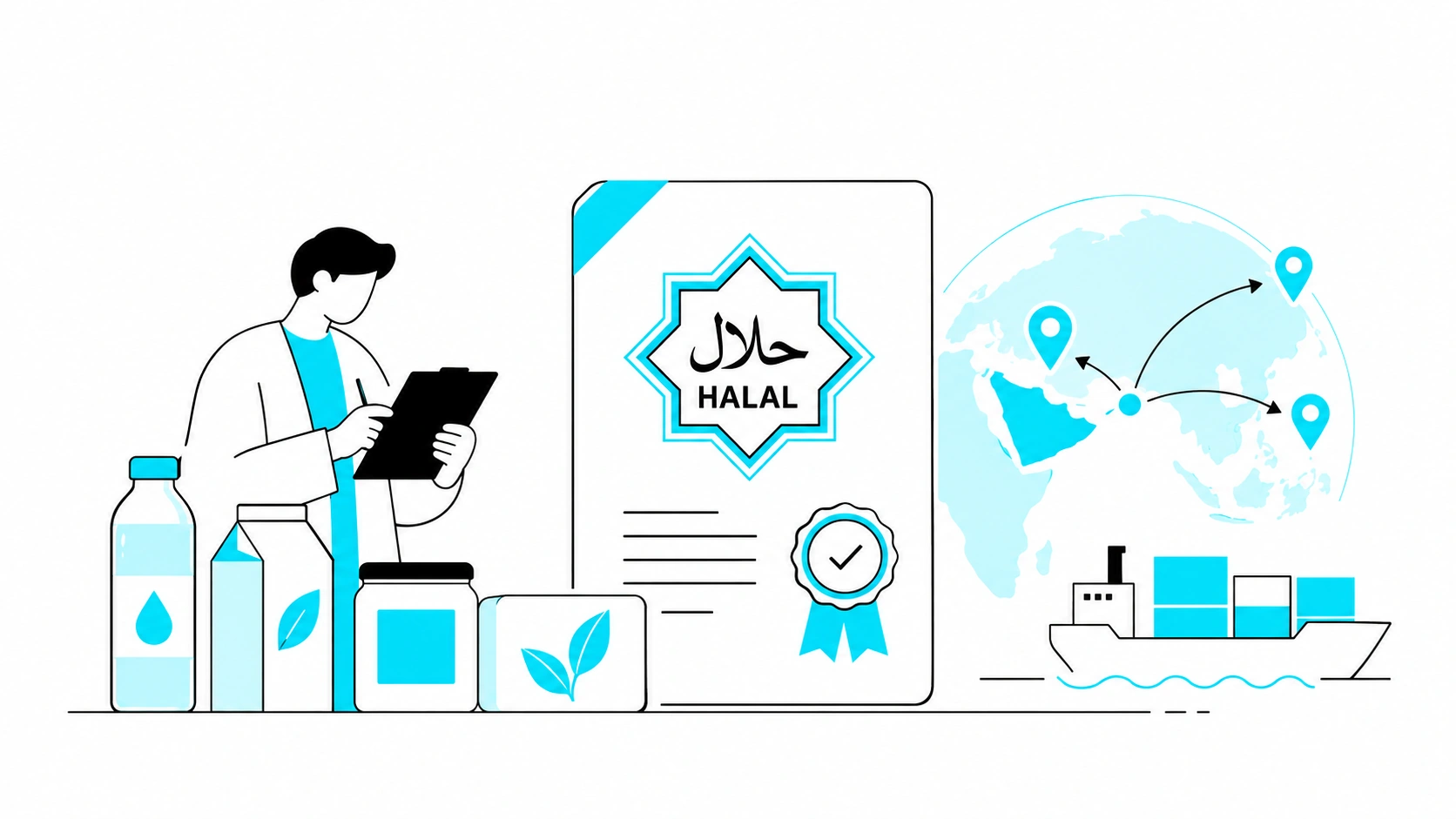
HALAL CERTIFICATE IN UZBEKISTAN: WHY YOUR BUSINESS NEEDS IT, HOW MUCH IT COSTS, AND HOW TO GET IT
In the past, the "Halal" mark was just a neat marketing trick for many. Slap a green crescent on the packaging, and sales would soar. No one really dug deep to see if there was any actual control behind the label. But the rules of the game have fundamentally changed. Starting May 1, 2025, "Halal" labeling in Uzbekistan was taken under strict state control. Now, this mark requires an official certificate based exclusively on SMIIC standards. Although obtaining the certificate is voluntary, if you want to enter major supermarket chains, export, or work with imported raw materials, it has become a core requirement for doing business.
If you produce food, cosmetics, or even ordinary bottled water, and you want your packaging to boost sales rather than collect fines for illegal labeling, you need to understand the new rules. In this article, we—as an agency working directly with brands—will break it all down for you from A to Z: who issues legitimate certificates today, by what criteria your production will be evaluated, how much the process costs, and in which unexpected products the Halal status plays a decisive role.

21.09.2026
Typical Packaging Mistakes Local Brands Make When Entering International Markets
More and more Uzbek manufacturers are looking beyond the domestic market. In many cases, packaging becomes one of the key factors that determines whether an export launch succeeds or fails. The problem is usually not the quality of the product itself, but the fact that packaging for foreign markets is developed in the same way as packaging for the domestic market. In other words, companies simply take the packaging that already works locally, translate the name into English, and consider the job done.
Below are the most common mistakes and why each of them can cost much more than it may seem at first.