


11.07.2025
The use of mascots in confectionery packaging design: an international review

M&M’s (Chocolate Dragees)
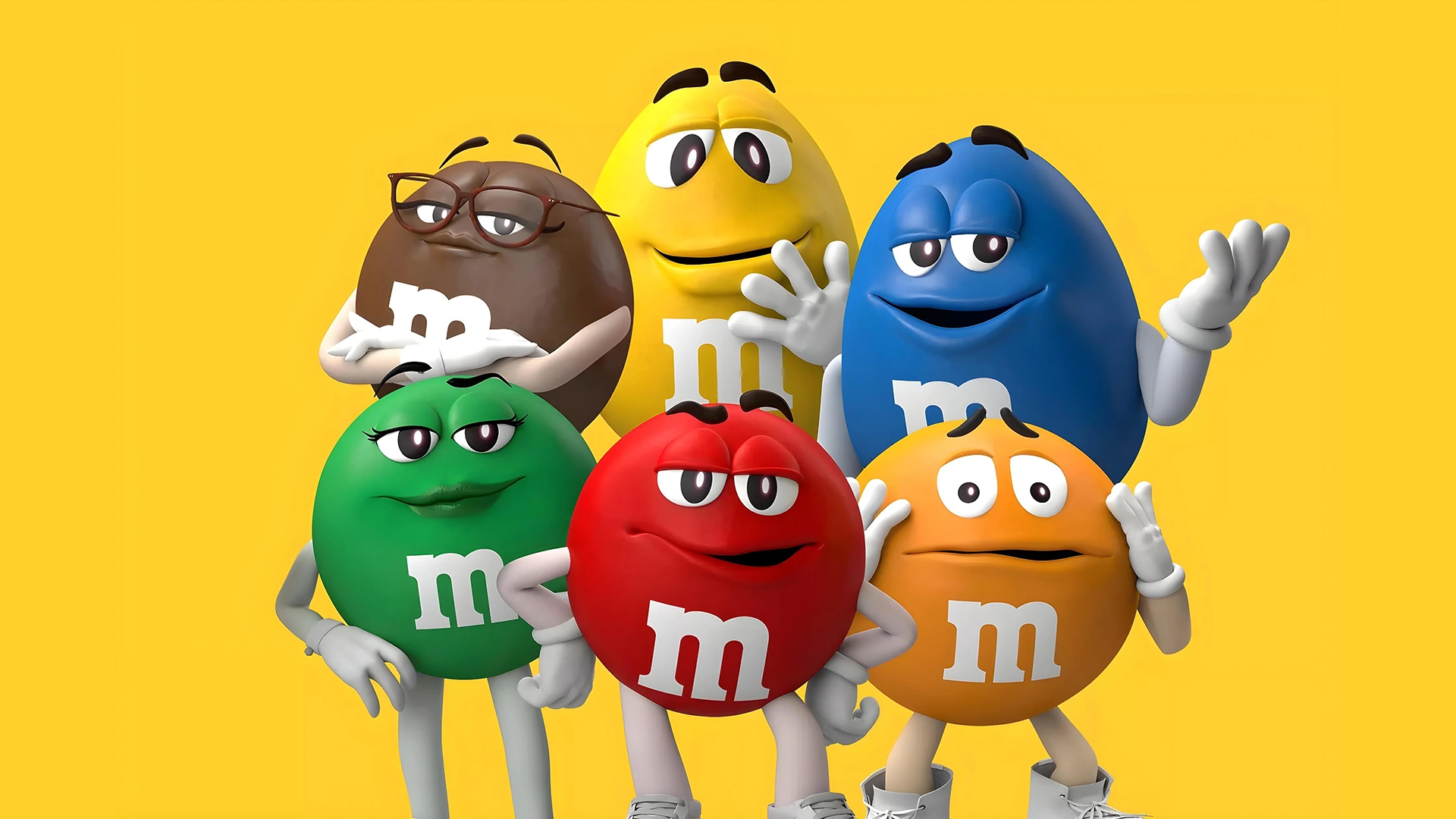
Colorful M&M’s characters ("spokescandies")
Anthropomorphic candies with distinctive personalities. They have become the "face" of the brand, making M&M’s globally recognizable and appealing. Introduced in advertising in the 1990s, these characters transformed ordinary dragees into characters with stories, enhancing emotional connections with consumers.
Nesquik (Chocolate Drink)
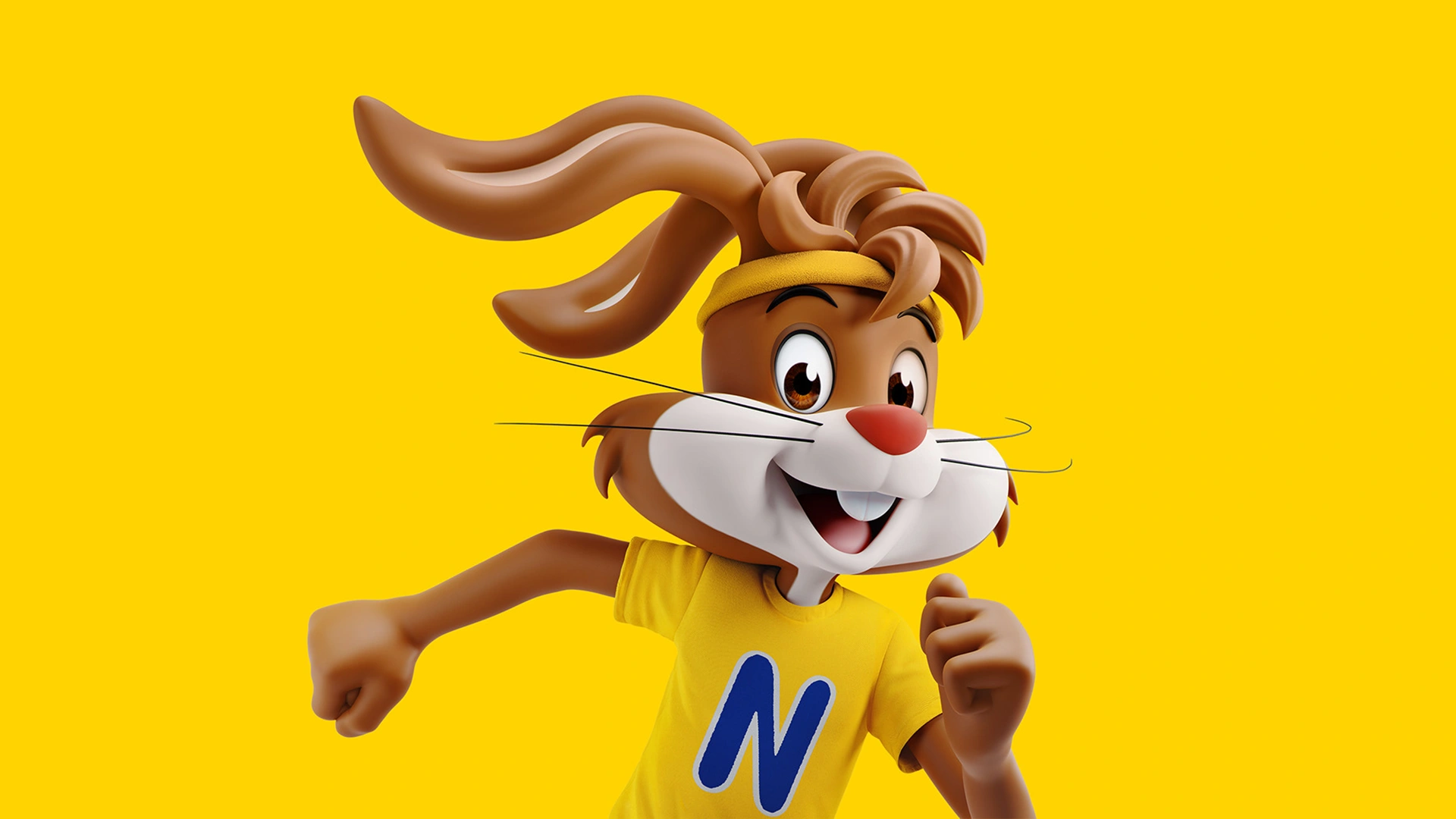
Quiky Rabbit (Quiky)
A friendly cartoon rabbit depicted on Nesquik packaging, symbolizing energy, playfulness, and fun, attracting a child audience. The rabbit is associated with quick preparation (a play on the word "quick").
Haribo (Gummy Bears)
Goldbear
A bright yellow teddy bear with a red bow, the iconic mascot of Haribo, embodies the joy and pleasure derived from sweets. It first appeared in the late 1980s and has become synonymous with the Haribo brand. Goldbear emphasizes the slogan "Joy for children, adults too," strengthening the emotional bond consumers have with the product.

Kinder Surprise (Chocolate Egg)
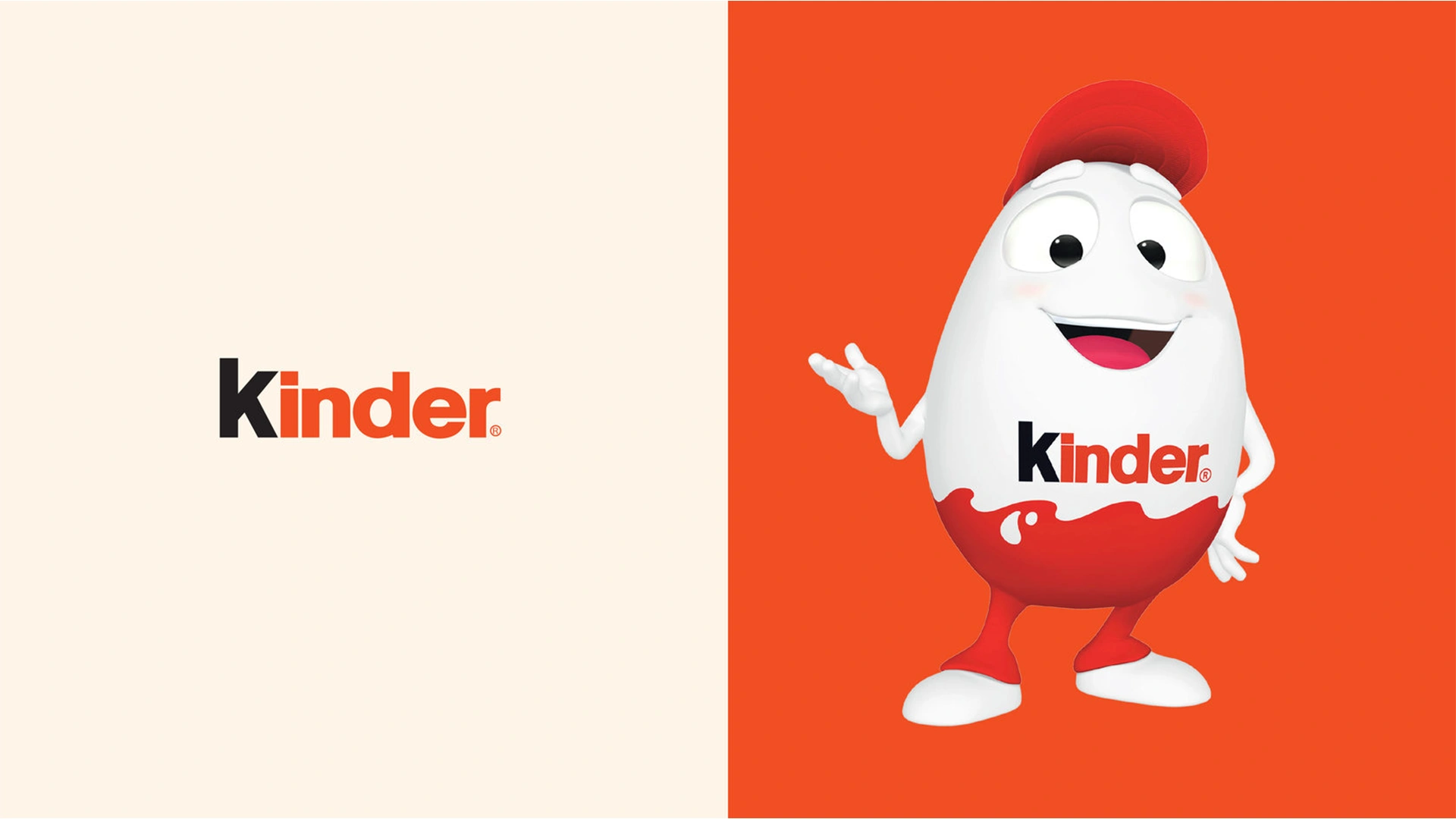
Kinderino
A smiling egg-shaped character acting as a mascot for Kinder Surprise and Kinder Joy chocolate eggs. It attracts children with its playful appearance, emphasizing the element of surprise inside.
Tootsie Pop (Lollipop with Gum)
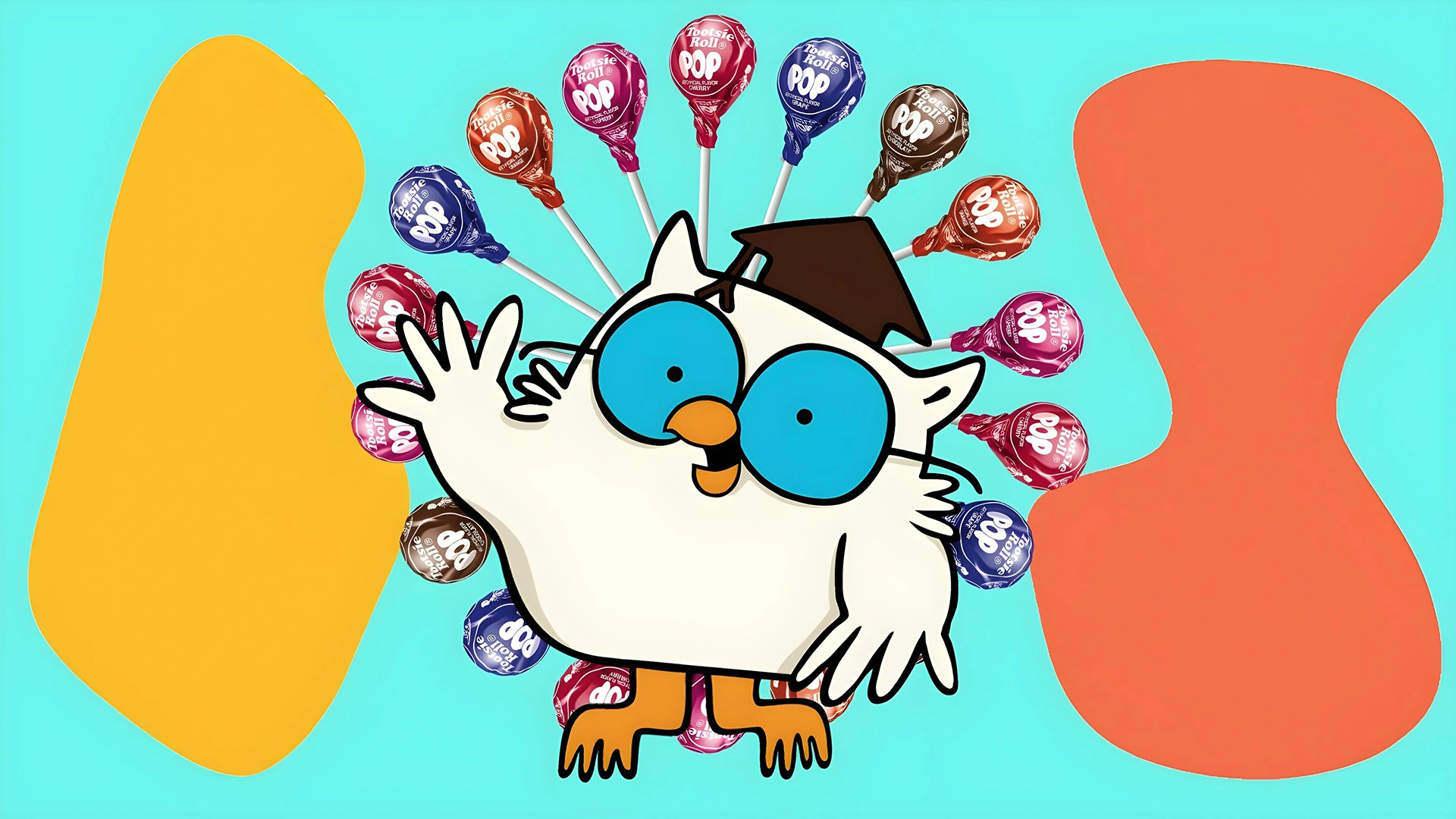
«Mr. Owl»
A cartoon owl from the legendary Tootsie Pop commercial famously asking, "How many licks does it take to get to the center?" This wise owl has become a brand icon, associated with curiosity and humor. Though primarily featured in advertising, the owl’s image often appears on promotional packaging, enhancing nostalgia among adult consumers.
Criteria for Selecting a Brand Mascot
When developing a new mascot, marketers consider several important criteria. A well-chosen mascot should resonate with the audience and reflect brand essence. Key factors include:
- Matching the target audience by age and interests. The mascot is created with an eye on the consumer profile. If the main market is children, the character will be cheerful, simple and friendly; for teenagers - more modern and dynamic; for an adult audience - perhaps more reserved or witty
For example, if the brand is aimed at young people, the mascot can be bold or fashionable, and for a family product, a warm, cute hero is suitable. Demographic matching (gender, age, culture) makes the character closer to the audience and increases the response.
- Consideration of cultural context and sensitivity. In the international market, it is extremely important that the mascot does not cause negative associations in different countries and in different languages. The character is selected taking into account cultural symbols and taboos: it must be understandable and attractive globally, without offending the traditions of dreamfarmagency.com. For example, an animal or a fairy-tale hero is usually universally perceived positively, while images associated with religion or stereotypes are risky. A culturally neutral, positive mascot more easily wins the hearts of consumers around the world.
- Emotional involvement and personality. A good mascot immediately evokes emotion – a smile, a sense of trust, fun or nostalgia. A character on the packaging can humanize the brand and tell a story, causing sympathy in the consumer pioneerphoenix.com pioneerphoenix.com. To do this, the mascot’s character traits are thought out: for example, a mischievous boy, a caring grandmother or a brave animal – depending on what emotions are important to the brand. The emotional connection with the character is transferred to the product: the consumer subconsciously feels closer to the brand and trusts it more. Research shows that 64% of consumers are more loyal to a brand if they feel an emotional connection with it.
- Uniqueness and memorability of the image. The mascot should favorably differentiate the brand from competitors. Individual design and unique concepts make the character recognizable "at first glance." It is advisable to avoid clichés—mascots should be exclusively created around the brand’s values. A distinctive appearance (colors, shapes, accessories) and vibrant personality help anchor the mascot in consumers' memories. A classic example is Ronald McDonald, the clown with his trademark red costume—impossible to confuse with anyone else. Recognition directly contributes to increased brand recall: according to research, brands with mascots show an average of 37% higher spontaneous recognition among consumers.
- Alignment with brand values and history. The mascot must organically fit into the company’s image. When developing a mascot, marketers focus on the mission, values, and legacy of the brand to ensure the character reflects these aspects authentically. For instance, if a brand positions itself as innovative and dynamic, the mascot could be technological (e.g., a robot or superhero). Conversely, if the core value is family tradition, a friendly, family-oriented character would be suitable. Misalignment can confuse consumers and diminish trust. Therefore, successful companies carefully synchronize the mascot's personality with their overall brand identity.
The Impact of Mascots on Brand Perception and Consumer Loyalty
A well-implemented mascot can significantly enhance a brand’s image in the eyes of the audience. Below are insights derived from research and practical experience regarding the influence of mascots on brand perception and consumer loyalty:
- Increased Brand Awareness and Memorability. A vibrant mascot acts as a visual "anchor," instantly recalled when consumers encounter the product. Often, consumers identify a product more quickly by its mascot than by the brand name itself. For example, the Michelin Man or Tony the Tiger from Kellogg's are iconic images that people worldwide associate with specific brands without additional context. Statistics reinforce this effect: according to the Advertising Research Foundation, having a mascot boosts brand recall by an average of 37%. Simply put, consumers are nearly one-third more likely to recall a brand featuring a mascot, particularly when making purchasing decisions.
- Formation of Emotional Attachment and Trust. Mascots evoke emotions among consumers, such as smiles, feelings of security, or joyful childhood memories. These emotions transfer directly to the brand itself. Customers who become attached to a mascot’s image tend to demonstrate greater loyalty towards the company’s products. A Capgemini study found that approximately 70% of emotionally engaged consumers are willing to spend twice as much on brands with which they have an emotional connection. Mascots serve precisely as the “bridge” to this connection, giving the brand the characteristics of a friend or familiar character. For instance, many adults have a warm emotional response toward Coca-Cola’s Polar Bears, recalling childhood memories that foster nostalgia and ongoing trust in the brand over the years. Mascots thus enable brands to pass down affection from generation to generation; parents who remember these characters from their youth unintentionally convey this affinity to their children.
- Increased Sales and Advertising Effectiveness. The emotional connection and recognition created by a mascot ultimately translate into stronger commercial results. Analysis of advertising campaigns has shown that advertisements featuring brand mascots achieve 30% better outcomes in long-term brand growth metrics. Furthermore, research by Millward Brown highlights that mascots can contribute up to a 41% increase in sales for FMCG brands. Mascots attract attention in advertisements, enhance memorability, and stimulate purchasing decisions—particularly when competitors offer similar products without distinctive "personalities." Consumers are more likely to choose a package featuring a beloved character on the shelf, a tactic widely utilized by children’s products; mascots on packaging can significantly influence children's choices (and consequently, their parents’ decisions).
- Loyalty and Repeat Purchases. A mascot encourages customers who have tried a brand once to return repeatedly. Emotionally satisfied with their experience (product taste combined with the enjoyment of the mascot’s image), customers form lasting habits. Surveys indicate that 64% of consumers report increased brand loyalty if the brand evokes positive emotions. The consistent presence of a mascot on packaging acts as a familiar "friend," greeting the customer and creating an atmosphere of stability and reliability. Additionally, loyalty is reinforced by communities formed around mascots: character fans often collect merchandise, participate in brand events, and share related content, further deepening their brand commitment. Mascots thus become integral parts of brand communities—for example, fans of Nesquik’s rabbit or M&M’s enthusiasts who actively discuss new candy characters.
- Brand Differentiation and Sustainability. In an overcrowded marketplace, a mascot helps a brand stand out both on store shelves and in advertising. Consumers develop a clearer image of the brand ("the company with the cheerful little dragon" or "with that specific snowman"). Such differentiation enhances brand resilience against competition. Furthermore, mascots can facilitate entry into new markets, as visual characters easily transcend language barriers. Consumers across various countries instantly recognize mascots, even without translated slogans. For instance, Colonel Sanders is globally identifiable through his portrait alone—regardless of language, people recognize it as representing KFC. This significantly simplifies global promotion and strengthens international brand presence.
Current Trends in Mascot Development
Trends in mascot design and usage continue to evolve, reflecting technological advancements and shifting audience preferences. The following current trends can be highlighted in mascot creation for FMCG brands and their integration across various media:
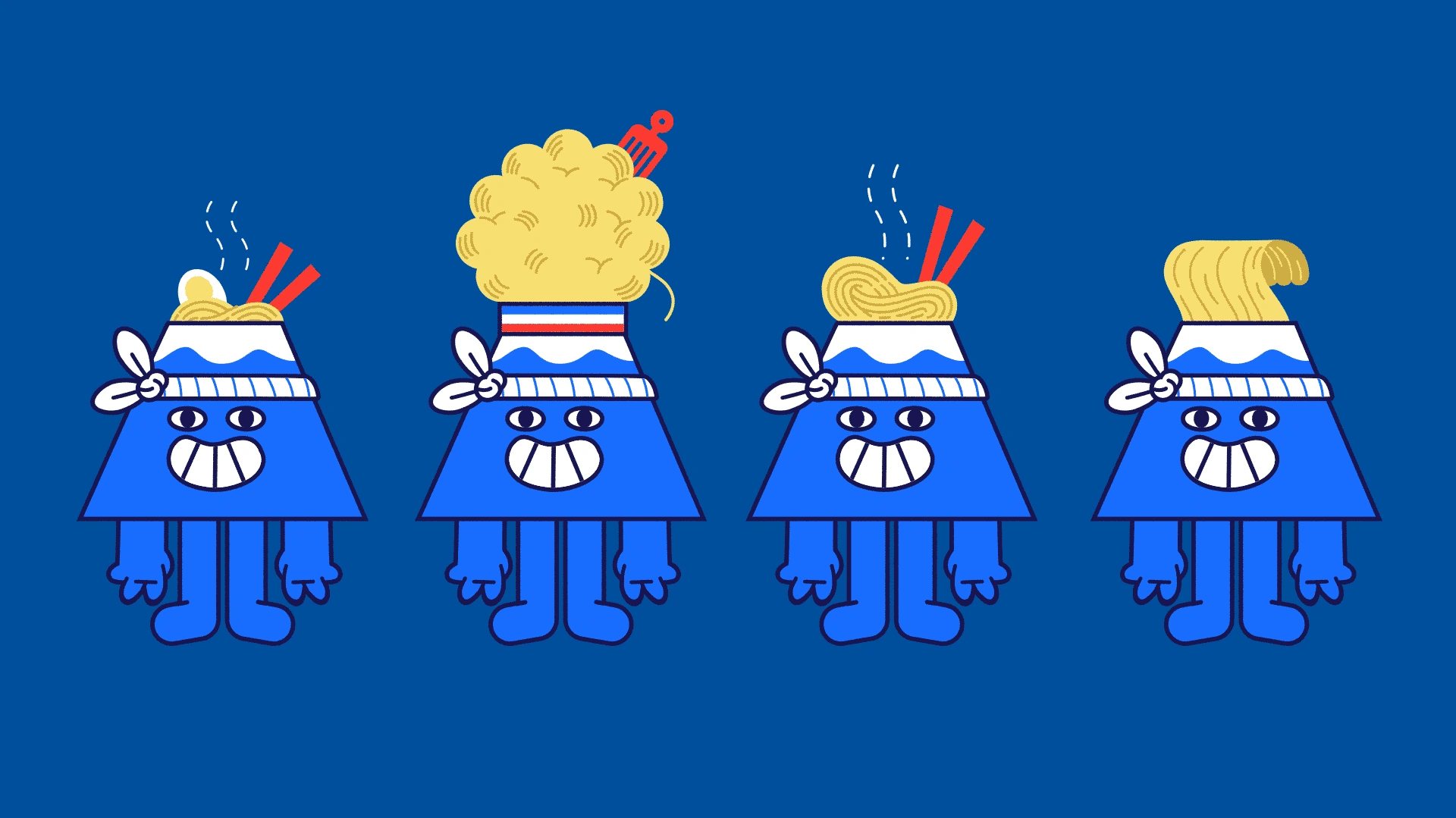
- Stylization and Design: Today, mascots are making a return to branding but in an updated form. Many companies aim for simpler, friendlier character designs that look appealing on both packaging and digital platforms. "Cute" and minimalist styles have become especially popular—for example, mascots inspired by Japanese "kawaii" aesthetics or flat designs easily readable on smartphone screens. Simultaneously, there is a noticeable trend toward retro-styling: some brands revive classic mascots or infuse new characters with a nostalgic feel, evoking warmth among consumers. Crucially, mascots must remain visually appealing and contemporary, yet simple enough to reproduce effectively across various sizes and media formats (such as packaging and social media).
- Thoughtful Storytelling and Character Background: In the 2020s, mascots are no longer mere images but fully developed characters with their own stories. Brands actively invest in crafting mascot narratives: assigning them names, distinctive personalities, and sometimes even entire fictional universes. This approach facilitates the creation of engaging content around the mascot, such as advertising series, comics, short animations, and other storytelling formats. A well-developed narrative significantly boosts consumer engagement, as audiences find it more interesting to interact with brands featuring mascots that feel “alive” and evolve over time. For example, each M&M’s candy character possesses a unique personality and relationships, elements reflected in advertising campaigns and special product editions.
- Multimedia and Digital Integration: Modern mascots now "come alive" on screens and in interactive applications. With advancements in technology, brands increasingly leverage mascots in AR/VR and mobile applications. Packaging becomes interactive; for example, a consumer can scan a package using their smartphone and see the mascot animate and speak. Real-world examples include augmented reality (AR) on product labels, such as the wine brand "19 Crimes," which brought to life the image of rapper Snoop Dogg on bottles, allowing his face to "speak" through a smartphone app. In the FMCG sector, Francesco Rinaldi sauce packaging enables consumers to scan the jar and see a talking grandmother mascot providing product information. Within the confectionery industry, the Japanese company Glico offered AR features on Pocky biscuit packaging, allowing customers to color characters (in collaboration with Doraemon) and bring them to life in 3D at home.
- Mascots also integrate seamlessly into gaming and gamification strategies. Brands often develop simple AR or online games in which mascots interact, educate, or entertain consumers. Scanning packaging might activate a mini-game featuring the mascot or social media filters allowing users to virtually adopt the character’s persona. These tactics not only create a "wow-effect" but also encourage consumers to share their experiences on social media.
- Mascot Activity in Social Media: Today, mascots have also become media personalities. Brands manage social media accounts on behalf of their mascots or assign them a prominent role in social media marketing (SMM). This enhances brand recognition among younger audiences and increases content virality. A classic example is the witty Twitter account of Wendy’s, where the brand interacts with followers through its mascot—a young girl. Although she is depicted only as a logo image, she has been given a bold, distinctive voice online. This approach significantly boosted engagement, with Wendy’s distinctive Twitter tone generating millions of interactions and widespread discussion.
- Mascots are also widely used in memes, GIF animations, and stickers, encouraging consumers to organically share content featuring their favorite characters, essentially providing free advertising. Additionally, mascots frequently engage in collaborations with influencers or other brands; for example, a popular mascot might appear in a blogger’s video or a joint promotional campaign between two brands, increasing overall reach. Crucially, in digital environments, mascots behave as living characters—making jokes, responding to followers, participating in flash mobs—thereby lending a more human face to the brand, further attracting new customers.
-
Animation and Moving Images: While mascots traditionally existed primarily in static forms on packaging or posters, the contemporary focus has shifted towards animated mascots. CGI and motion-design technologies enable the creation of appealing character animations for commercials, websites, and AR applications. Studies indicate that animated content on social media achieves approximately 1200% more shares than static images and text combined. Therefore, brands strive to bring mascots to life, whether through short animations, dancing 3D characters in advertising banners, or interactive animated assistants on websites. Movement humanizes mascots, making them emotionally engaging and relatable. Additionally, creating various iterations of mascot designs is increasingly popular; mascots may change costumes or themes depending on campaigns or seasons—for example, special holiday editions of packaging featuring mascots in festive hats. This approach sustains consumer interest, as audiences anticipate how their favorite mascot will appear next.
Thus, a mascot on packaging is more than mere decoration. It serves a strategic function, making brands more relatable and understandable to consumers, evoking emotions that directly influence consumer behavior (recognize → purchase → appreciate → repeat purchase). Naturally, effective implementation is crucial; the mascot must align with current times and audience expectations. Contemporary brands carefully monitor their mascots’ reputations—occasionally refreshing designs or discontinuing outdated images that provoke ethical controversies (such as reconsidering mascots like Aunt Jemima and Uncle Ben’s due to cultural stereotypes). However, most classic mascots—from M&M’s characters to Haribo’s Goldbear—have proven their effectiveness. They have become integral to pop culture, substantially enhancing brand equity by boosting recognition, consumer affinity, and sustained sales across decades.
Share

Other articles
25.11.2026
New Uzbek Alphabet: Old Labels Allowed Until 2029
Manufacturers will not have to throw away packaging that is already printed because of the alphabet change. Below is what this means for manufacturers, designers and printers.

25.11.2026
AI in packaging design: what it speeds up and where you still need a designer
"AI can draw a package in a minute" — that is true, and it is exactly why such packaging rarely makes it to the shelf. Below is where AI genuinely saves time, where it gets things wrong, and how to split the work between the generator and the designer.

24.11.2026