



08.08.2026
How to Measure Whether a Packaging Redesign Works: Metrics to Track Before and After Launch

“The new design looks better than the old one” is not a strong enough argument to take a redesign to market. A new package being liked by three or four people in management does not automatically mean that sales will increase.
This is why mistakes in packaging design can be costly for a business. Packaging is not an advertising test that can simply be switched off the next day if the results are disappointing. A redesign affects production, inventory, brand image and logistics.
Research by William Caruso of the Ehrenberg-Bass Institute illustrates how risky packaging redesign can be. He analysed 1,336 redesigns across 744 brands in 25 market segments. The study found that nine out of ten redesigns did not generate a significant increase in sales. Interestingly, the redesigned packs retained only around 47% similarity to their previous versions on average. This suggests that many brands change their packaging more dramatically than necessary.
For this reason, companies need clearly defined “before” and “after” metrics. Without them, redesign budgets can be wasted and sales may even decline.
What should be measured before the new packaging reaches the market?
One of the most common mistakes is to start measuring performance only from the day the new packaging appears on the shelf. Without baseline data from the “before” period, there is nothing meaningful to compare against.
Core business metrics. Record the current rate of sale — how many units are sold per store per week. Market share within the segment, number of stores, current retail price and margin should also be documented. Do not compare only with the previous month; use a comparable period that accounts for seasonality.
Product category and market positioning. Show the design to new respondents for a few seconds and then ask what kind of product they think it is, who it is intended for and which price segment it belongs to. If their answers differ significantly from the intended positioning, the prototype should be refined before going to print.
Distinctive brand assets. The logo, brand colours, packaging shape and mascot can help consumers recognise a brand before they even read its name. These elements should therefore be tested separately. Preserving strong distinctive assets is often one of the factors that separates a successful redesign from an unsuccessful one.
Comparative shelf testing against competitors. Place the package next to competing products on a real or virtual shelf. The goal is to evaluate the design in a competitive environment rather than in isolation. The key question is whether the package is actually noticed among the alternatives.
Purchase likelihood. This is a simple but useful metric. Show the prototype to the target audience and ask how likely they would be to choose it over competing products.
Why can skipping this stage be so expensive?
A well-known example is Tropicana’s 2009 packaging redesign. The familiar image of an orange with a straw was replaced by a glass of orange juice. Within a month of the new packaging reaching the market, the brand’s sales reportedly fell by around 20%. The company lost approximately $33 million and was forced to bring the previous design back.
The problem was not that the new design was unattractive. The issue was that the brand had removed familiar visual cues that helped shoppers identify Tropicana quickly on the shelf.
Ehrenberg-Bass research also indicates that dramatic, “revolutionary” packaging changes can result in almost twice the sales decline of more gradual changes. This reinforces the importance of testing a redesign on a limited scale before rolling it out across the entire market.
What should be measured after the new packaging is launched?
Rate of sale. The number of units sold per store per week is one of the most direct measures of performance. It should be compared with the same period in the previous year or with stores where the previous packaging is still being sold.
Distribution growth. Track entry into new stores, retail chains and sales channels. For many brands, the clearest result of a redesign is not higher sales in existing stores but an expansion of overall distribution.
Shelf presence and product-line expansion. Assess how easily the new visual system can be applied to additional products without losing brand recognition. This shows whether the redesign works as a scalable system rather than as a one-off graphic solution.
Repeat purchases. A redesign can attract attention and encourage a first purchase. But if sales increase while repeat purchases do not, the issue is likely to be with the product itself rather than the packaging. It is important not to confuse these two effects.
Price elasticity. Can the brand maintain or increase its price without losing significant sales volume? This is an indirect but powerful indication that the redesigned packaging is increasing perceived value and supporting a more premium brand image.
Marketplace metrics. In e-commerce, packaging effectively becomes the product’s main image. Product-page CTR and add-to-cart rate can be considered digital equivalents of shelf attention.
Retailer and consumer feedback. Monitor complaints and selection errors, such as shoppers accidentally choosing the wrong flavour or pack size. This helps evaluate not only the attractiveness of the packaging but also how effectively it helps customers navigate the product range.
How should “before” and “after” results be compared?
Three common mistakes can seriously distort the conclusions.
The novelty effect. Interest may rise sharply during the first few weeks after launch. However, this does not necessarily indicate a lasting change in consumer preference — it may simply be curiosity. It is therefore better to exclude the initial launch period from the final evaluation and review the numbers after 2–3 months, once sales have stabilised.
Different market conditions. Comparing December sales with April sales, or a promotional period with a regular sales period, can create a misleading picture of the redesign’s impact.
Changing several factors at the same time. If the redesign launches together with a new advertising campaign and entry into a new retail chain, it becomes difficult to identify which factor produced the result. Whenever possible, test the redesign first in a limited number of stores or within a single retail chain.
How this works in practice: Minim case studies
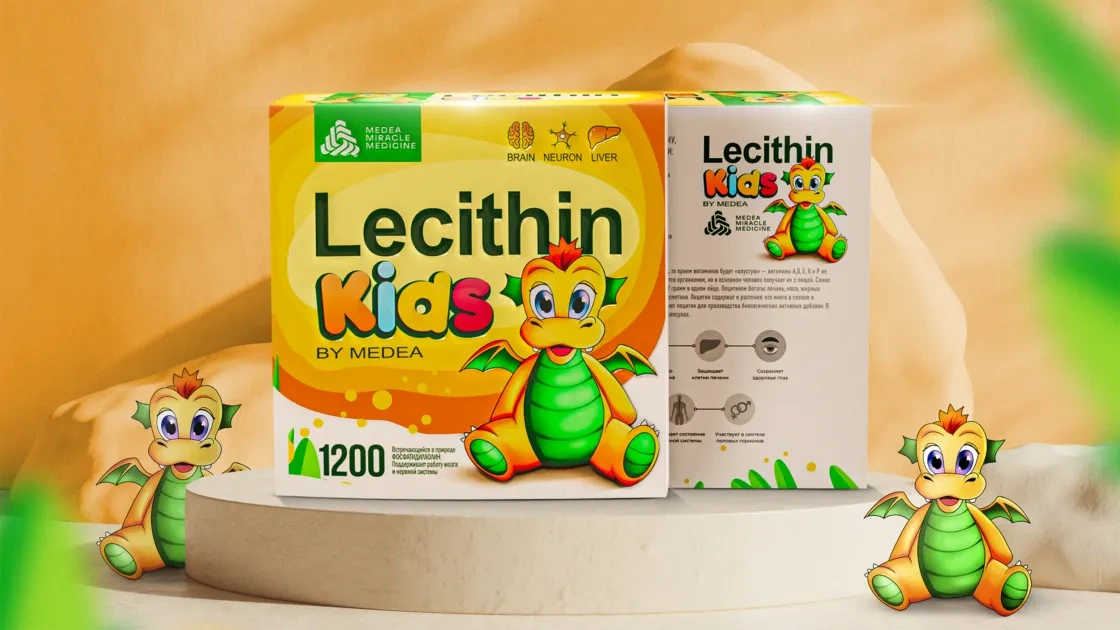
Repeat purchase as a separate metric — the Lecithin Kids case. For a children’s dietary supplement, we developed bright packaging featuring a mascot. The redesign needed to address two audiences at the same time: the child, who needed to be interested in the product, and the parent, who needed to trust it. In the case study, we measured sales growth and repeat-purchase growth separately. This reflects the distinction described above: the first purchase shows whether the design successfully attracts attention, while the repeat purchase indicates whether the product and its presentation met consumer expectations.
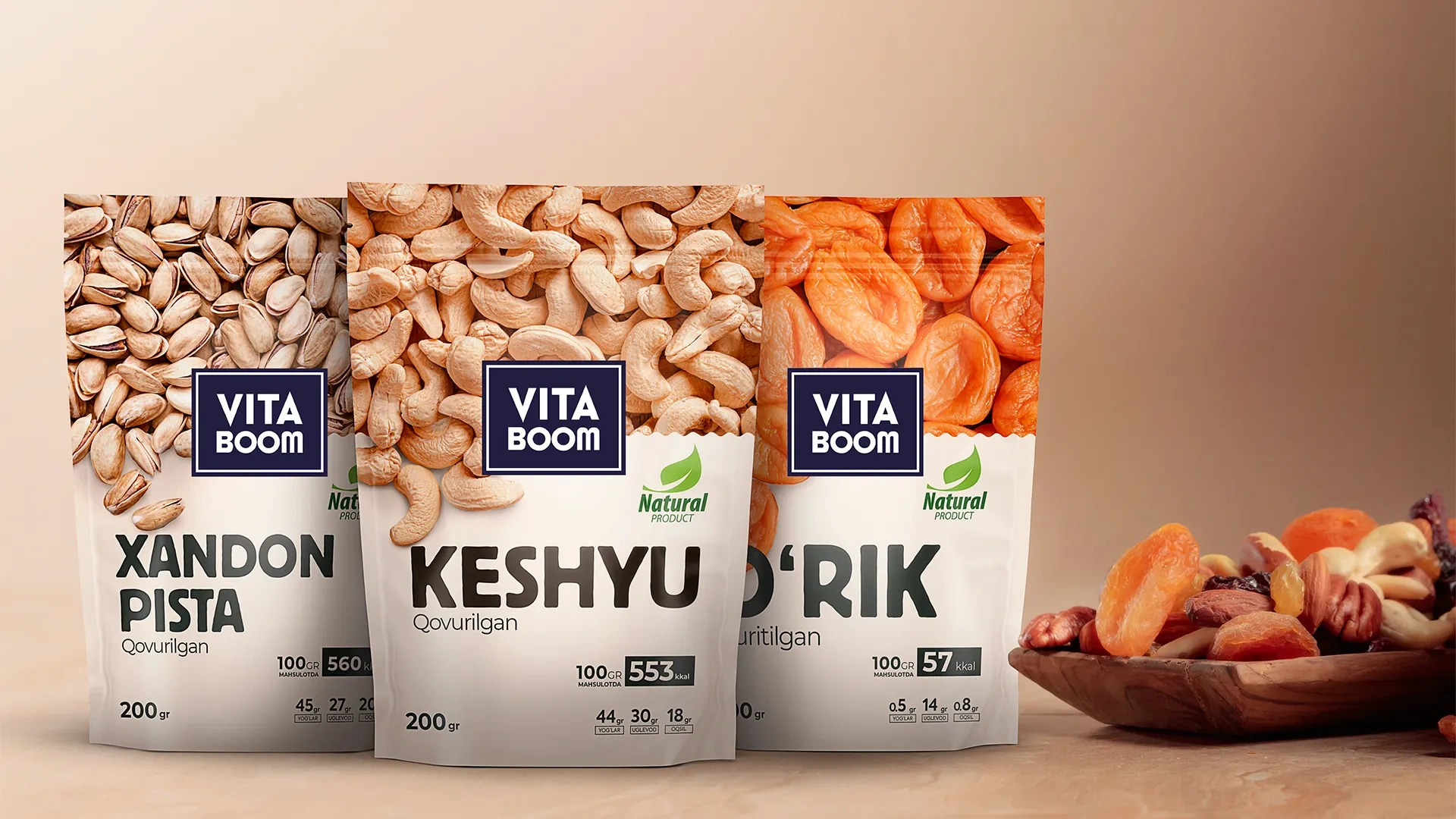
Entry into specific retail chains — the Vita Boom case. After the redesign, the product entered the assortment of several major retail chains. This is a more concrete result than simply saying that “sales increased”: the retailers themselves effectively confirmed that the product deserved a place on their shelves.
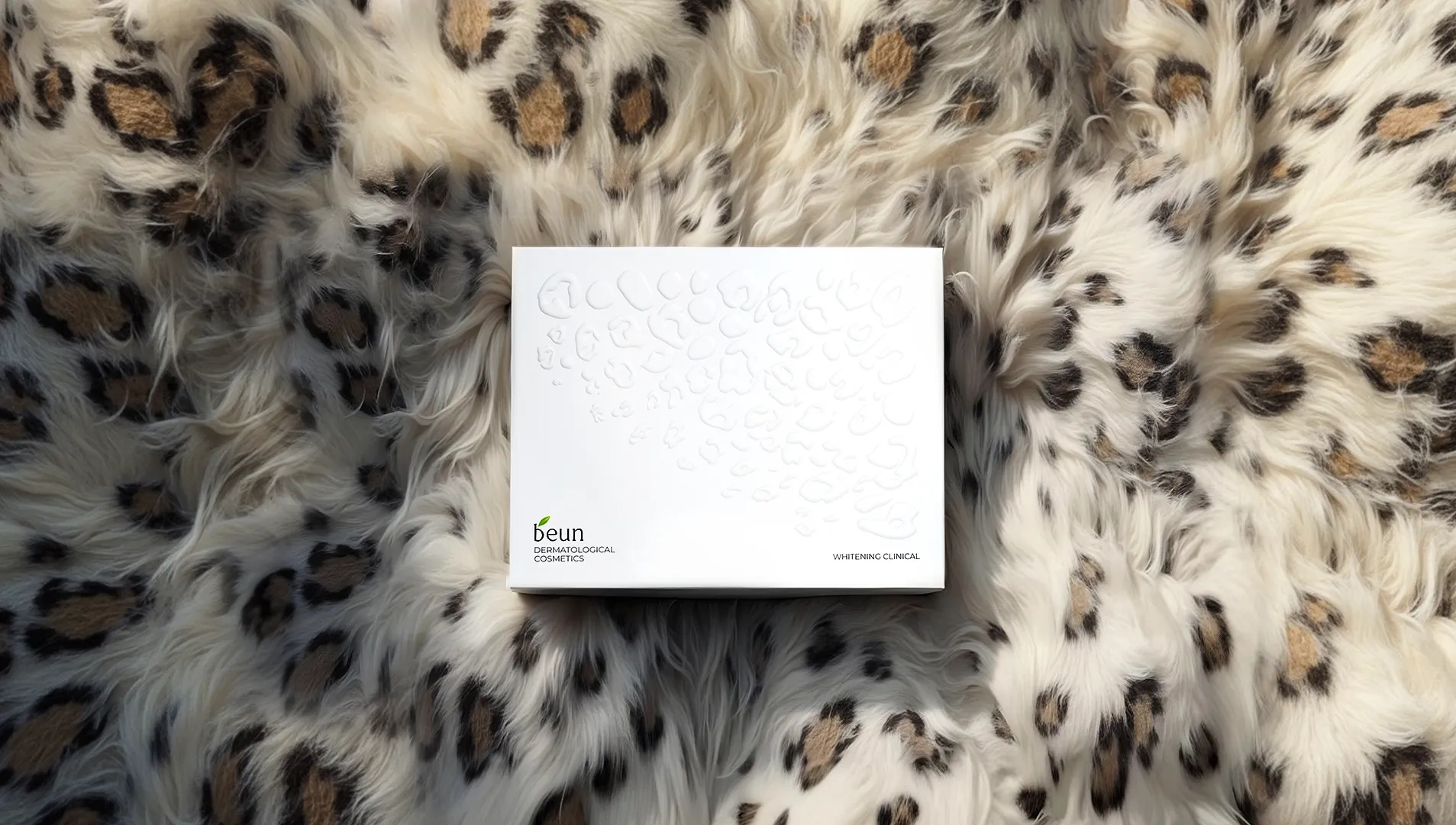
Correcting market segment and positioning — the Honest and Beun cases. In both projects, the primary objective was not to increase sales directly. Honest paper towels previously looked too “cheap,” while Beun customers did not immediately understand that they were looking at premium cosmetics. In cases like these, the key pre-launch metric should not be sales but positioning perception. After launch, the brand should track whether perception has changed among the intended target audience.

Key takeaway
You cannot determine whether a redesign has worked simply by looking at the finished packaging. Only metrics recorded in advance and measured under comparable conditions can provide a reliable answer. Do not start with the question, “Do we like the new design?” Start with: “Which business problem should this redesign solve, and how will we know that it has solved it?” Only then can the result be not only observed, but proven.
Share

Other articles

04.10.2026
Brand marketing strategy should be developed before packaging design, not after
If a brief intended for collaboration begins with the words “we just need packaging,” then one very important stage has already been overlooked. The first question from a professional design agency should not be about color or style. The first question should be: what business problem is this packaging supposed to solve? Starting work without answering this question is not merely a theoretical mistake; it is a serious flaw that can lead to major financial losses. One of the most famous failures in global branding practice happened precisely because this question was ignored.

29.09.2026
HALAL CERTIFICATE IN UZBEKISTAN: WHY YOUR BUSINESS NEEDS IT, HOW MUCH IT COSTS, AND HOW TO GET IT
In the past, the "Halal" mark was just a neat marketing trick for many. Slap a green crescent on the packaging, and sales would soar. No one really dug deep to see if there was any actual control behind the label. But the rules of the game have fundamentally changed. Starting May 1, 2025, "Halal" labeling in Uzbekistan was taken under strict state control. Now, this mark requires an official certificate based exclusively on SMIIC standards. Although obtaining the certificate is voluntary, if you want to enter major supermarket chains, export, or work with imported raw materials, it has become a core requirement for doing business.
If you produce food, cosmetics, or even ordinary bottled water, and you want your packaging to boost sales rather than collect fines for illegal labeling, you need to understand the new rules. In this article, we—as an agency working directly with brands—will break it all down for you from A to Z: who issues legitimate certificates today, by what criteria your production will be evaluated, how much the process costs, and in which unexpected products the Halal status plays a decisive role.

21.09.2026
Typical Packaging Mistakes Local Brands Make When Entering International Markets
More and more Uzbek manufacturers are looking beyond the domestic market. In many cases, packaging becomes one of the key factors that determines whether an export launch succeeds or fails. The problem is usually not the quality of the product itself, but the fact that packaging for foreign markets is developed in the same way as packaging for the domestic market. In other words, companies simply take the packaging that already works locally, translate the name into English, and consider the job done.
Below are the most common mistakes and why each of them can cost much more than it may seem at first.