



15.09.2026
How do printing capabilities in Uzbekistan affect design?

A beautifully designed prototype and the final packaging produced by a printing house are not always the same. A designer can create an unusual bottle, add a velvety label and gold lettering. But the main question should always be: “Can this actually be produced?”
Most importantly, this question must be asked during the design stage, before the packaging is approved. Otherwise, the result may be an expensive redesign or disappointment that “it looked better on the screen.”
Packaging production in Uzbekistan is growing together with the FMCG market. Therefore, understanding the real capabilities of local printing houses is just as important for a designer as having a good sense of color and composition.
Which technologies are already available locally at a high level?
Offset printing. This is one of the foundations of the industry. Printing houses in Tashkent work with Heidelberg and Konica Minolta equipment. They are capable of maintaining stable color consistency across large print runs. For cardboard packaging, labels and boxes, offset printing remains one of the most reliable and cost-effective solutions for high-volume production.
Flexographic printing for flexible packaging. This method has become a standard for FMCG packaging in Uzbekistan. It is widely used for snacks, confectionery, food products, dairy products and household chemicals. It works with films such as BOPP, PE and PET, self-adhesive materials and kraft paper, using inks suitable for food-contact packaging. Most chip, nut, grain and spice packages found on store shelves in Uzbekistan are produced using this technology.
Premium post-print finishing. This is one of the most underestimated strengths of the local market. Foil stamping, embossing, soft-touch lamination, selective UV varnish and precise Pantone color matching are all available in Tashkent. These technologies are sufficient for cosmetics, perfumes and gift packaging. There is no need to rely on foreign production to achieve a premium tactile effect.
Glass packaging. Surprisingly, glass packaging does not necessarily require imports. Uzbekistan has many manufacturers of glass containers. They also supply major international beverage brands whose products are bottled locally. This means that glass packaging for beverages, sauces or preserved foods is not an exotic solution, but a realistic local option.
Where are compromises more likely to be necessary?
Specialty designer papers and textured cardboard. Materials with latex coatings, such as Plike, are usually listed by printing houses as premium options. In practice, however, they are imported from abroad. This does not prevent their use, but it adds material delivery time to the project and increases the minimum economically viable order quantity.
Raw materials for flexible packaging. Printing and converting films into finished packaging are carried out locally. However, the base films such as BOPP, PE and PET, as well as many well-known brands of self-adhesive materials, are mainly produced abroad. This does not directly limit the design, but production lead times for non-standard flexible packaging may be longer compared with solutions based on materials already available in stock.
Metal cans and beverage containers. Unlike glass, local production of printed metal packaging is less developed. This gap is usually covered by imports. Finished containers are brought in from abroad or supplied from neighboring countries. Therefore, if a brand plans to use a metal container with complex wraparound printing, it is important to clarify in advance with the manufacturer which processes can be completed locally and which require imported components.
Molds for non-standard bottles and containers. Standard preforms, caps and closures are available from several local manufacturers. However, if a brand wants a completely unique geometry rather than a variation of an existing shape, the mold will usually need to be ordered from abroad. This means additional production time and significantly higher minimum order quantities.
Environmentally certified materials. FSC-certified cardboard and similar “green” materials are still not standard options in every local printing house. They remain relatively niche products in the Uzbek market.
How should this work during the design stage?
In Uzbekistan, a good packaging brief should not focus only on the brand and its target audience. It should also include an early discussion about production feasibility.
For the mass-market FMCG segment, including snacks, food products, dairy products and beverages in standard containers, it is reasonable to design from the beginning for flexographic printing and materials already available in stock. This is not a limitation on creativity. On the contrary, it helps ensure that the product reaches the shelf on time and at a predictable cost.
For the premium segment, including cosmetics, perfumes and gift sets, the local finishing infrastructure allows designers to confidently plan foil stamping, embossing and soft-touch finishes. For example, for the “Alibobo X.O” product line, we selected gold foil stamping combined with product display windows and a deep dark background. The premium effect was achieved not through imported technology, but through locally available post-print finishing.
For non-standard packaging, such as an original bottle or an unusually shaped container, the strategy should be different. Time and budget for the mold should be allocated at the very beginning of the project, not after the design has already been approved. The design should then be developed based on these production parameters.
Main conclusion
The difference between “beautifully designed” and “ready for production” packaging should be understood during the design stage, not at the printing stage. Decisions regarding materials, print runs and finishing methods must be made with a realistic understanding of local production capabilities. Uzbekistan is particularly strong in areas that many people expect to be difficult, such as glass packaging and premium cardboard finishing. These capabilities deserve special attention. At the same time, areas where expectations are often higher, such as non-standard plastic and metal containers or exotic materials, require more careful planning. A designer who understands these real production limits from the first sketch can save the client both money and, most importantly, time to market.
Share

Other articles

04.10.2026
Brand marketing strategy should be developed before packaging design, not after
If a brief intended for collaboration begins with the words “we just need packaging,” then one very important stage has already been overlooked. The first question from a professional design agency should not be about color or style. The first question should be: what business problem is this packaging supposed to solve? Starting work without answering this question is not merely a theoretical mistake; it is a serious flaw that can lead to major financial losses. One of the most famous failures in global branding practice happened precisely because this question was ignored.
29.09.2026
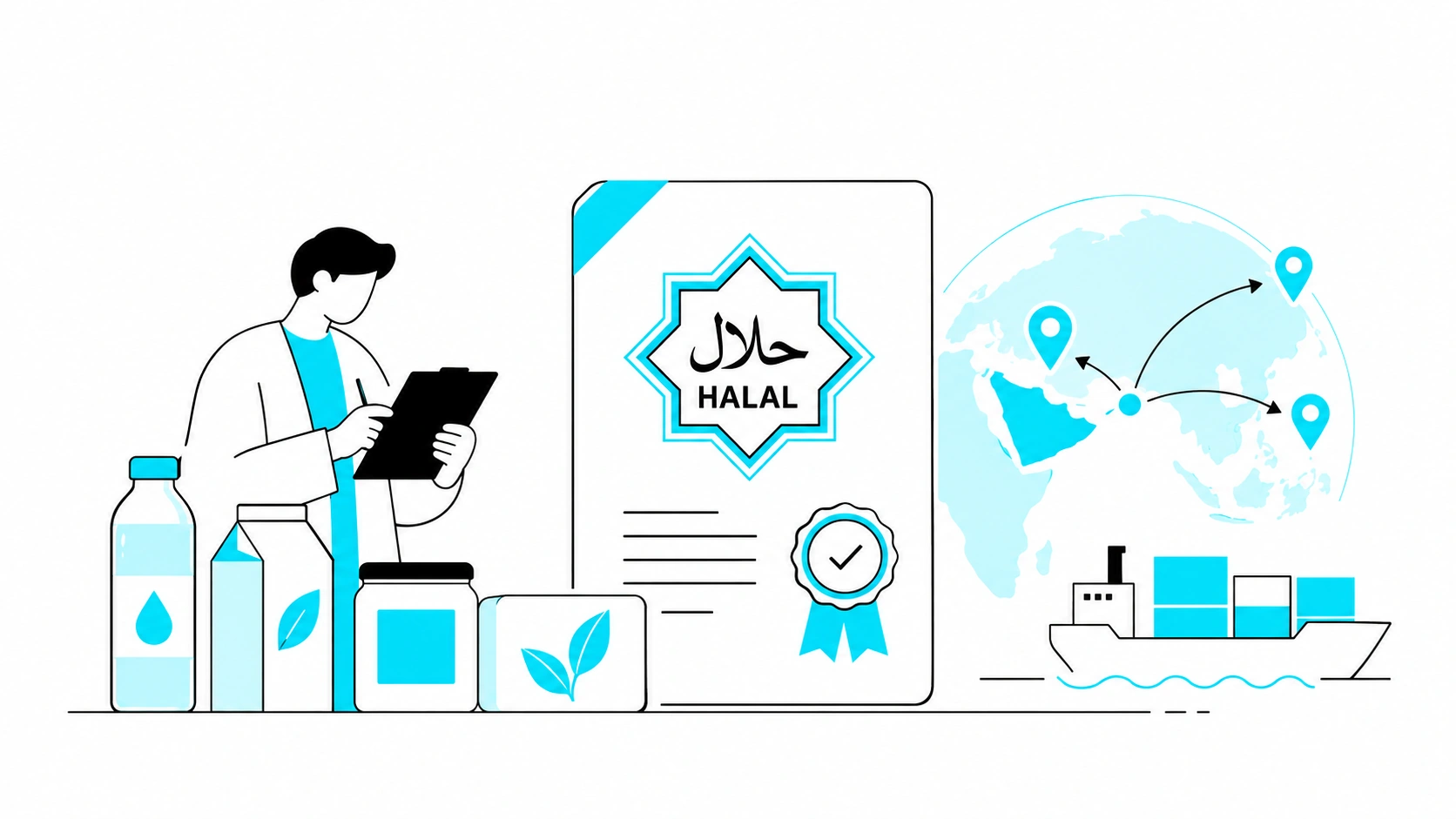
HALAL CERTIFICATE IN UZBEKISTAN: WHY YOUR BUSINESS NEEDS IT, HOW MUCH IT COSTS, AND HOW TO GET IT
In the past, the "Halal" mark was just a neat marketing trick for many. Slap a green crescent on the packaging, and sales would soar. No one really dug deep to see if there was any actual control behind the label. But the rules of the game have fundamentally changed. Starting May 1, 2025, "Halal" labeling in Uzbekistan was taken under strict state control. Now, this mark requires an official certificate based exclusively on SMIIC standards. Although obtaining the certificate is voluntary, if you want to enter major supermarket chains, export, or work with imported raw materials, it has become a core requirement for doing business.
If you produce food, cosmetics, or even ordinary bottled water, and you want your packaging to boost sales rather than collect fines for illegal labeling, you need to understand the new rules. In this article, we—as an agency working directly with brands—will break it all down for you from A to Z: who issues legitimate certificates today, by what criteria your production will be evaluated, how much the process costs, and in which unexpected products the Halal status plays a decisive role.

21.09.2026
Typical Packaging Mistakes Local Brands Make When Entering International Markets
More and more Uzbek manufacturers are looking beyond the domestic market. In many cases, packaging becomes one of the key factors that determines whether an export launch succeeds or fails. The problem is usually not the quality of the product itself, but the fact that packaging for foreign markets is developed in the same way as packaging for the domestic market. In other words, companies simply take the packaging that already works locally, translate the name into English, and consider the job done.
Below are the most common mistakes and why each of them can cost much more than it may seem at first.